
The Rainshadow Permaculture Blog
Goumi Growing Guide
Elaeagnus multiflora
Goumi Bush - A True Gem
In my garden, I’m always looking to add different kinds of low-maintenance berries and fruits. The Goumi bush, also known as the "berry of gold" or “cherry silverberry,” is absolutely perfect for the garden and a true gem in the gardening world. With its vibrant red berries and delicate white flowers, it's sure to add a touch of elegance to any landscape. But don't let its beauty fool you - this hardy plant is also known for being a resilient and low-maintenance addition to any garden. Not only is it a nitrogen-fixing powerhouse, but it also produces slightly tart, deliciously sweet, vitamin C-packed berries that will make your taste buds dance. Whether you're a seasoned permaculturist or a green thumb in the making, the Goumi bush is sure to be a stand-out.
Goumi Overview
The Goumi bush, with its Latin name Elaeagnus multiflora, is a perennial deciduous shrub that is native to Eastern Russia, China, Korea, and Japan. The word Elaeagnus, comes from the Greek words "elaia" meaning "oil" and "agnos" meaning "chaste tree," referring to the oil produced by the fruit. It made its way to North America from Asia more than a century ago.
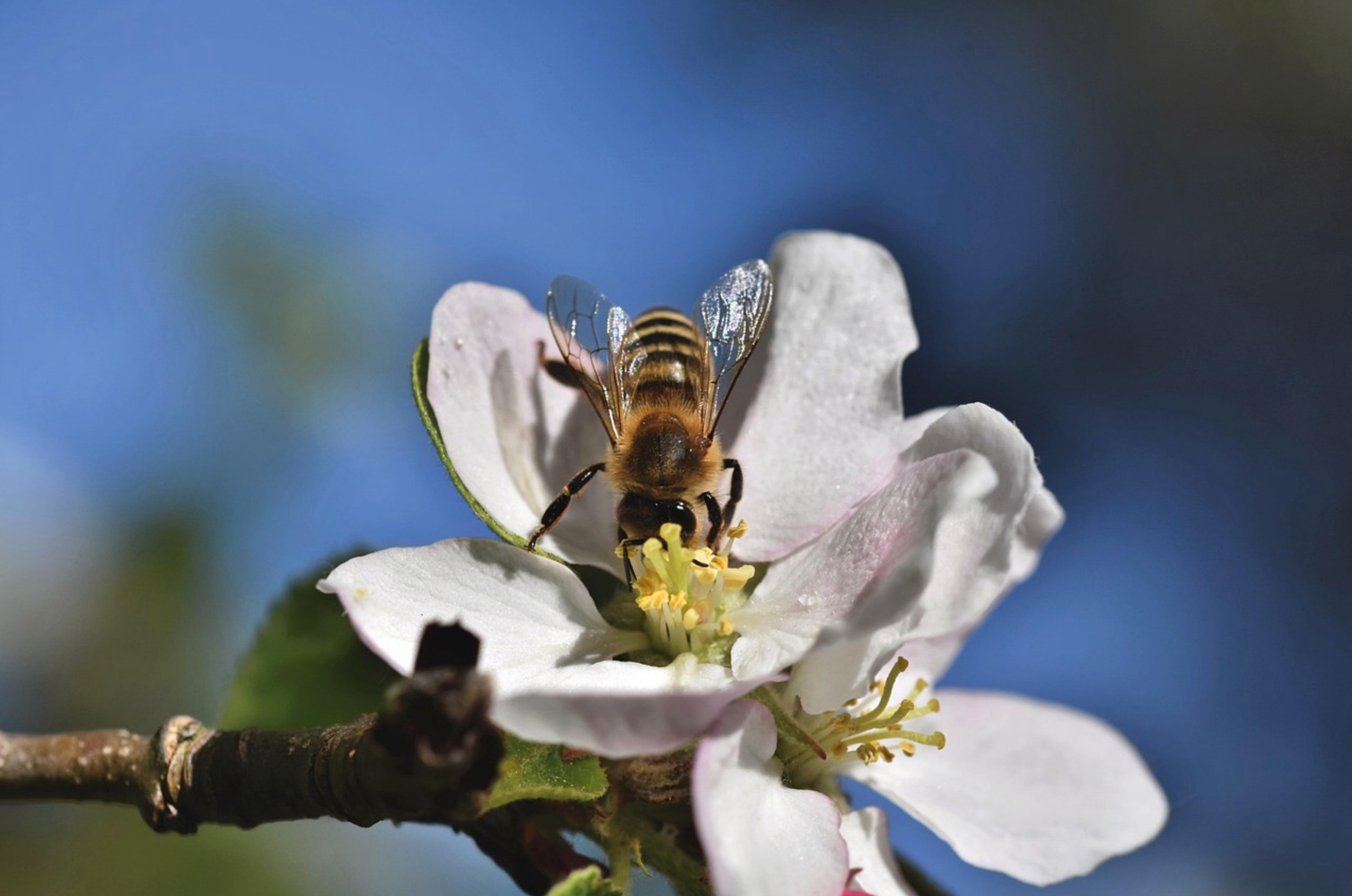
Due to its native roots, the Goumi bush can thrive in a wide range of soil types; it is hardy in USDA zones 4-9. One Goumi bush can grow to be up 15 feet tall and 15 feet wide, although it can be kept trimmed and pruned to a much smaller size. It prefers full sun to partial shade, and is drought-tolerant, making it a great choice for dry climates. The leaves of the Goumi bush are silverish-green, which can add a unique and striking contrast to a garden. When in full bloom, it is an excellent pollinator. Coolest of all it is a nitrogen fixer, making it a valuable addition to projects like food forests, ally cropping, and general gardening, as it helps to improve soil fertility. They make a great addition to any garden or farm.
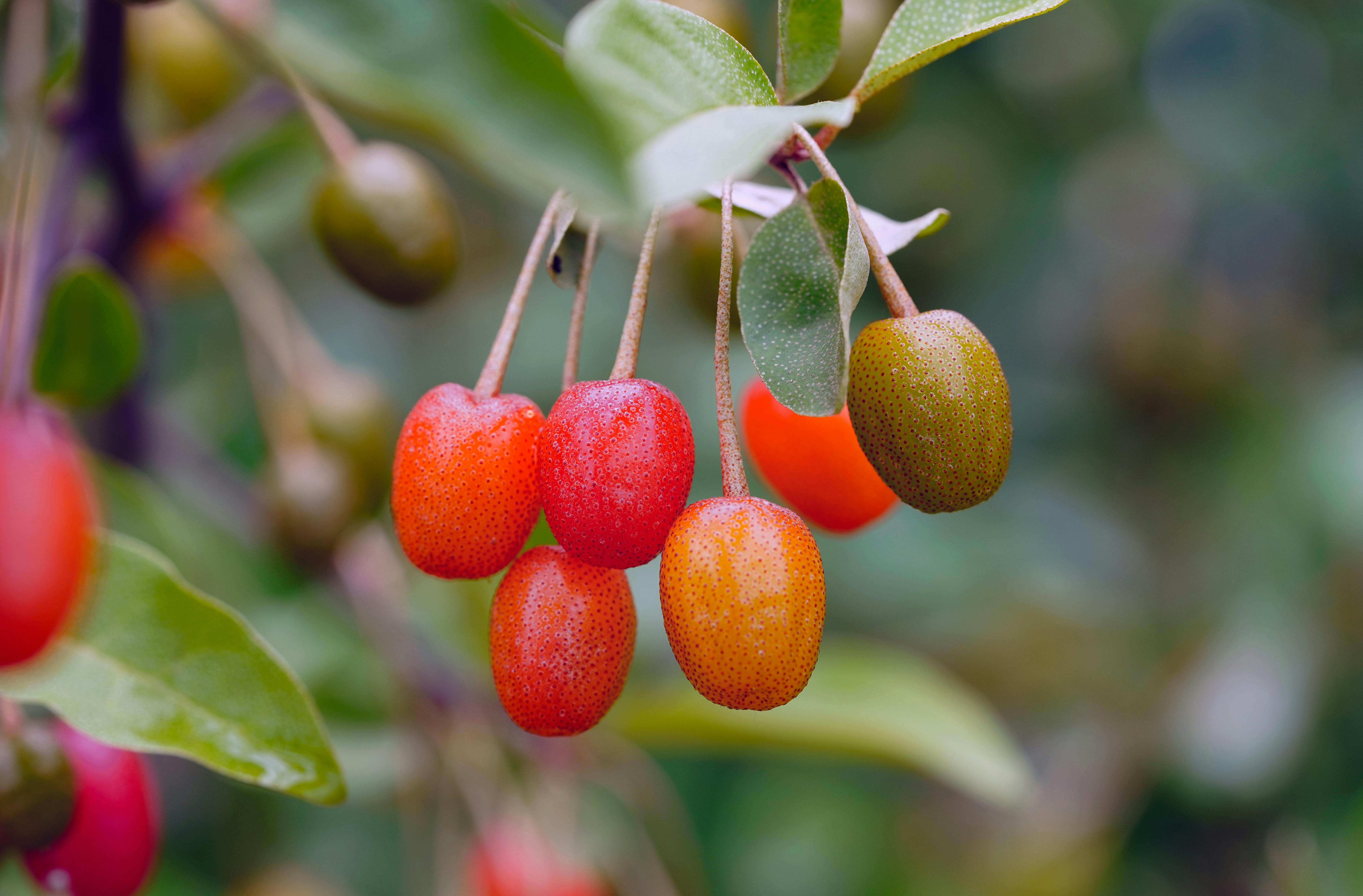
The Goumi berries are small red berries that are speckled with silver. They are typically about the size of a small grape and have a glossy surface. They have a sweet, tangy, and slightly sour taste, similar to a cross between a cherry and a red currant. They are often used in jams, jellies, and syrups, as well as eaten fresh. They also have a unique flavor that pairs well with savory dishes. They are a great source of antioxidants, anti-inflammatory properties, and essential fatty acids, making them a nutritious and delicious addition to any diet.
The entire plant has been consistently used in traditional medicine. The leaves, fruit, and bark of the plant have been used for a variety of ailments, including stomach issues and skin conditions such as diarrhea and sores. Goumi berries are packed with vitamins A, C, and E, flavonoids, fatty acids, and a heart-healthy antioxidant called lycopene that when eastern which is a great form of preventative medicine.
Propagation & Planting
The two most common ways to propagate the Goumi bush are through seeds or cuttings. Division is possible when the bush is young but is much harder once it gets larger and woodier. Propagating and growing Goumi is straightforward but requires a lot of patience. The initial wait can be the hardest part.
Propagating Goumi bushes from seed requires some planning. The key factor to note is that it requires both warm and cold stratification, which is a period of both warm and cold prior to germination. Goumi’s require an exceptionally long stratification period for cold, and in total, they need 4 weeks for warm stratification and 12 weeks for cold. Planting in the early stages of fall works best for this, to naturally move with the season’s rhythms. The seeds should be planted in well-draining potting soil and kept in a warm, sunny location. Be sure to check on them periodically to ensure they don’t dry out. Germination will take several months.
For cuttings, take softwood cuttings in mid-summer from the current year's growth and root them in a neutral potting medium such as sand or compost. The cuttings should be kept in a warm and humid location and kept consistently moist. Once the cuttings have been rooted, they can be transplanted into a pot or the ground. It is important to note that when grown from seed, the Goumi bush can take up to 10 years to mature, while on the other hand, those grown from cuttings will produce a harvest in a mere 3 to 4 years.
When planting Goumi bushes, it's important to keep in mind that the plant prefers well-drained soil. The hole should be dug deep enough to accommodate the roots, usually around 12 inches deep. The bush should be planted at the same depth as it was growing in the container or in the ground. Water the bush well after planting, and keep the soil consistently moist until the bush is established.
Growth & Care
After you have persisted the wait of propagation and maturity, Goumi is incredibly low-maintenance because it is able to mostly fertilize itself through nitrogen fixation. Goumi bushes are true sun lovers and should be planted in a location that receives full sun. They can however tolerate partial shade. They also prefer well-drained and moderately rich soil with a pH between 6.0-6.5 but can handle a wide array of soil types. Drought-tolerant, Goumi bushes can survive with less water, but for optimal growth and fruit production, water them well during periods of extended dryness. To give it an extra boost, fertilize seasonally with compost or mulch with woodchips.
The growing season for Goumi bushes is typically from spring to fall. As mentioned before, during this time the bushes will produce small, fragrant flowers and small red berries that can last into the winter. Once established the berries will become quite popular with birds, so you may need to put bird netting on some of the plants to save part of the harvest. Always leave some for the wildlife to enjoy, there will be enough for everyone!
Pruning is also an important aspect of caring for Goumi bushes – it's best to do it in late winter In conclusion, Goumi bushes are beautiful and or early spring before new growth starts. Prune out any dead, damaged, or cankered wood and shape the bush to your desired size and shape. With proper pruning, your Goumi bush will be a beautiful and healthy addition for many years to come.
Harvesting
Goumi bushes typically start producing fruit anywhere from their third to tenth year and will continue to produce for several years. The ideal time to harvest Goumi berries is when they are fully ripe and have a deep red color and slightly sweet flavor. Ripe berries should be plump, firm, and slightly soft to the touch.
When harvesting Goumi berries, it is best to use a pair of scissors or pruning shears to snip the berries off the bush. Gently cut the stem of the berry, being careful not to damage the bush. The berries will come off easily when they are fully ripe. It is also important to harvest the berries in dry weather, as wet berries can be more prone to mold and spoilage.
Another tip for harvesting Goumi berries is to pick the berries in the morning when they are most flavorful due to water retention from the night before. Berries that are picked later in the day may not have as much flavor or sweetness. Pick the berries in small batches and only pick the fully ripe berries, leaving the unripe ones for later picking.
Processing & Utilizing
The edible parts of a Goumi bush are berries and seeds. Enjoy right off of the plant or preserve by making jams, jellies, or pies. Goumi berries are similar to many other berries as incorporating them into recipes and possible experiments are endless!
One of the most popular ways to process and utilize Goumi berries is to make jam or jelly. To do this, clean and crush the berries and cook them with sugar and pectin or a natural orange peel alternative. The resulting jam or jelly can be used as a spread on bread, crackers, or as a topping for ice cream or yogurt. The jam can also be canned for long-term storage (up to 10 years!). Another known way to process Goumi is to make berry wine or vinegar. I have yet to do this but am excited to try. For wine, ferment the berries on their own or with other fruits, such as apples. To make Goumi vinegar, simply add fresh or dried Goumi berries to a jar of apple cider vinegar and let sit for 4-6 weeks then strain. Both wine and vinegar can be stored for several months.
Conclusion
Growing Goumi is a rewarding experience that can provide a bounty of delicious and healthy berries. With its ability to fix nitrogen in the soil, delicious and nutritious berries, and medicinal properties, the Goumi bush is truly a beautiful and thoughtful addition to any garden. With the right conditions, care and attention, it will thrive and provide a sustainable source of food, medicine, and beauty. And with the proper care, you will have a full set of Goumi fruit in no time. And that is truly one of the most exciting parts about growing plants, and in life!