The Rainshadow Permaculture Blog
Bee Balm Growing Guide
Monarda didyma, Monarda fistulosa
(Insectary, Medicinal, Wildlife Benefit)
Introduction
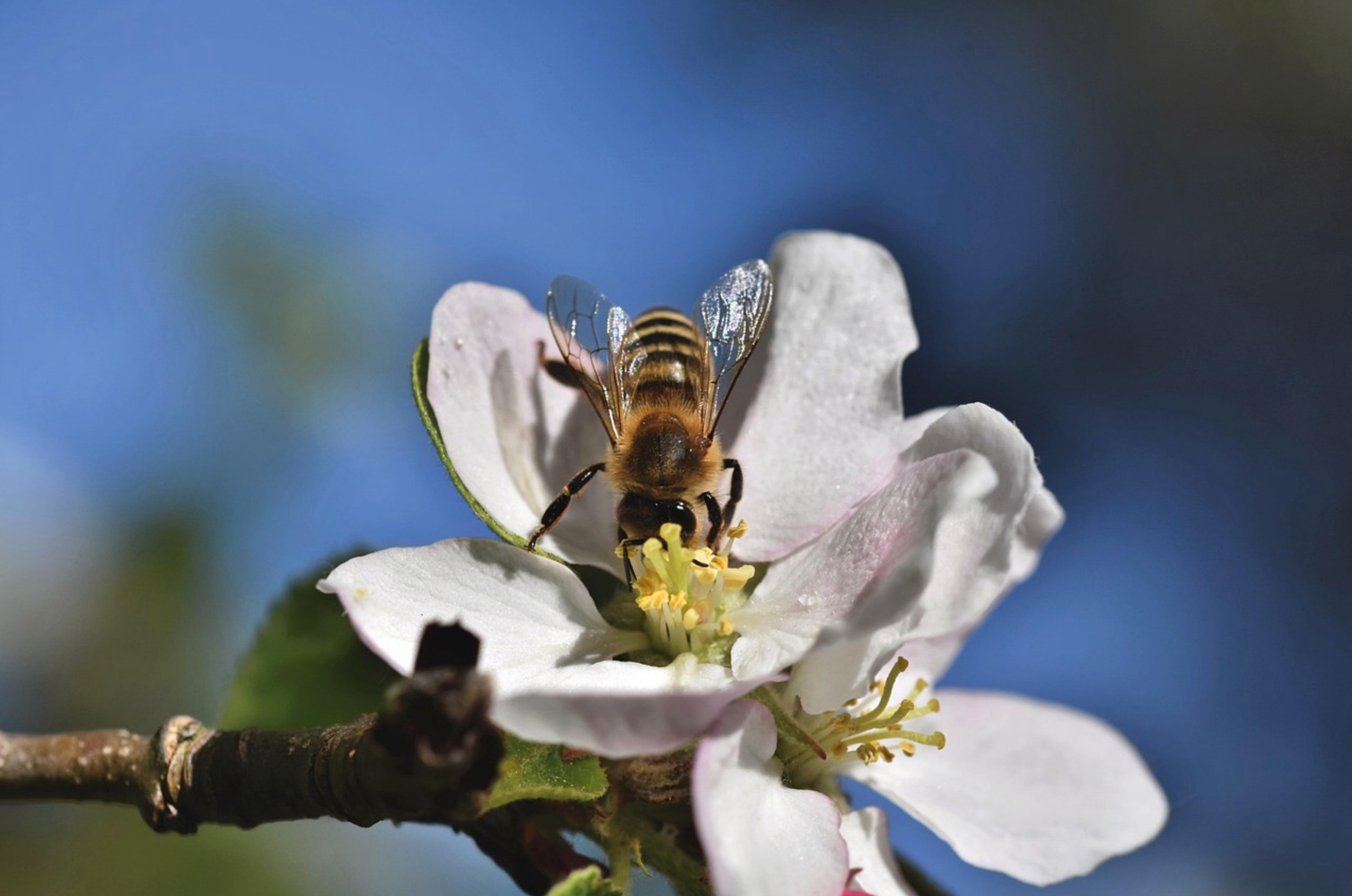
One of my favorite parts about being in the garden is observing all sorts of pollinators at work on a flowering plant. They glide and buzz, forage and collect, all working harmoniously to provide sustenance or a bountiful harvest for their hive. Plants like these are what first drew me to permaculture: they're both beautiful and multi-functional, constantly giving and receiving in the garden ecosystem. Bee Balm, also known as wild bergamot, wild oregano, or Oswego tea, is the epitome of this kind of plant - not only stunning, but incredibly useful as a pollinator, insectary, culinary spice, and medicinal herb.
Overview & History
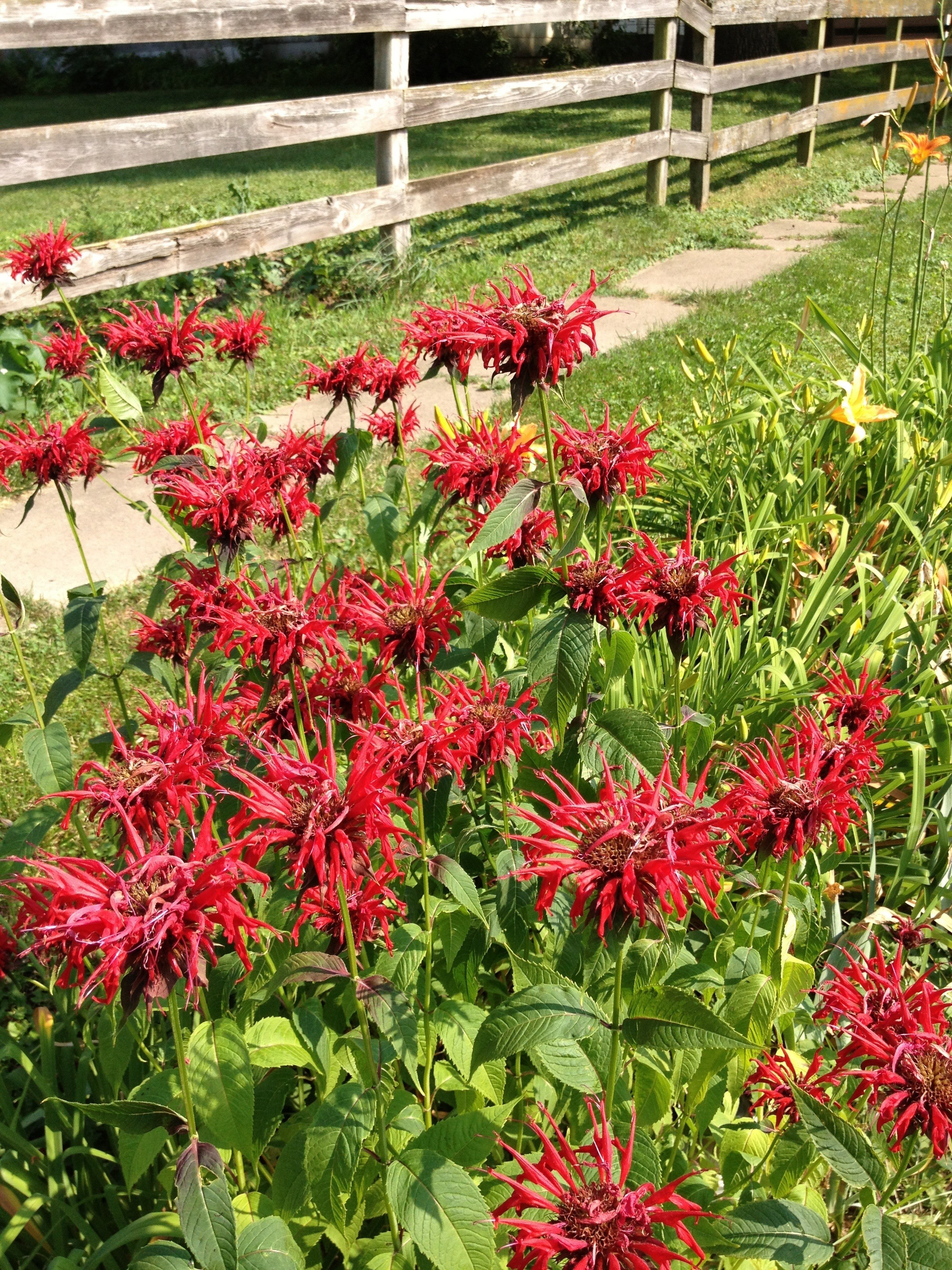
Bee balm is a perennial flowering plant native to North America and is a member of the mint family. There are more than 20 species in total, each having striking flowers with bright, showy petals that range in color from deep red to pink, purple, or white. The flowers are arranged in clusters at the top of the plant, with each flower having a long, tube-shaped corolla that is divided into five petals. Altogether they resemble a fireworks show, lighting up the garden with their bold, radiant hues.
The plant genus is named after Nicolás Monardes, a Spanish physician and botanist who compiled information about herbs from North America in a series of books published in the late 1500s. He was later honored in 1753 when taxonomist Carl Linneaus named the bee balm plant, Monarda, after him. From the Monarda genus, two species of bee balm are most widely known: Monarda didyma and Monarda fistulosa. M. didyma, also known as Oswego tea, has distinctive red flowers and was named after Oswego Native Americans from the Oswego River region of New York state. Interestingly, it was among the herbs in the “Liberty Tea” blend that colonists drank while boycotting British imports during the Boston Tea Party. M. fistulosa on the other hand, has light lavender flowers and is primarily concentrated in the central parts of North America. It was named "wild bergamot" because its fragrance is similar to that of the bergamot citrus tree (Citrus bergamia). Both species can grow to be up to 4’ tall and 3’ wide.
Bee balm has a long history of use by indigenous peoples in North America, mostly used medicinally to treat ailments such as colds, fevers, abdominal pains, indigestion, sore throats, and fainting. In addition to its medicinal uses, it has been used as a natural insect repellent, sweat inducement, culinary herb, dye, and even love charm. The leaves of the plant have a distinctive flavor similar to oregano or thyme and can be used in salads or as a garnish. The flowers have a sweet, fragrant aroma that is reminiscent of roses or citrus and can be used to make tea or added to salads for a burst of color and flavor.
Today, bee balm is still widely used for a variety of purposes and plays a significant role in natural medicine and culture. It is a versatile and useful plant that is enjoyed by healers, gardeners, and herbalists alike.
Planting & Propagation
One of the best ways to design a healthy and resilient garden is by incorporating pollinating plants like bee balm. When I created my current garden, I chose to plant several major pollinating plants in the center so that pollinators would have to travel past all of my annuals to reach their desired flowers. Not only does this create ample opportunities for pollination, but it brings in predatory insects that will eat those that can so easily destroy tender annuals. Be sure to plant your bee balm next to plants that need ample pollination and grow vigorously such as squash, pumpkins, zucchini, tomatoes, tomatillos, black-eyed Susan, or echinacea.
Whether you choose to propagate it through seeds, cuttings, or division, the process is relatively simple and the rewards are abundant. It prefers well-draining, slightly acidic soil with a pH between 6.0 and 7.0, so the ideal condition is native soil that has been mixed with aged compost or rich organic matter. However, bee balm is a resilient plant that is adaptable to a range of soil types, so there is some wiggle room.
Seeds: Once the risk of frost has passed, sow seeds 1/4th - 1/8th inch deep and cover with a light layer of soil. If planting in seed trays, work water into the soil before planting so the moisture remains even. If sowing directly into the garden, space seeds 12 inches apart. Keep the soil moist, but not too wet, and in 2 to 4 weeks, you should see tiny sprouts emerging from the soil.
Cuttings: Propagating bee balm through cuttings is another option that is relatively simple and rewarding. All you need is a healthy stem from the parent plant, a pot of soil, and a pair of clippers. The best time to take cuttings is in Spring when growth is most abundant. They should be around six inches long, with the cut made just beneath a leaf node. Remove the lower leaves, then dip the cut end in a natural rooting hormone such as willow concentrate (optional but recommended). Stick the cutting 2 inches deep into the soil and water it gently, keeping the soil moist but not too wet. In 2 to 4 weeks you should see roots starting to form, and before you know it, you'll have a whole new plant.
Division: Division is quite possibly the easiest in my opinion - simply dig up the entire plant and use your hands or a small shovel to divide the root ball into smaller sections. Then, plant each division about a foot apart placing it deep enough in the soil so that the top of the root ball is entirely covered. Water them well, being sure to keep the soil moist but not too wet. With time the plants will soon establish themselves and thrive.
Growth & Care
Caring for bee balm is a simple yet rewarding process that allows us to bring the beauty and benefits of this nourishing plant into our lives. Whether you're growing bee balm in your garden or a container, there are a few key things to keep in mind to ensure that your plant thrives.
First and foremost, bee balm loves sunshine! It prefers to grow in full sun, and it will reward you with beautiful blooms and lush foliage if you give it the right amount of sunlight. It will tolerate partial shade, with the trade-off of fewer flowers. In terms of water, bee balm is hardy in USDA Zones 3-9 and has traditionally thrived in several different ecosystems including stream banks, open woodlands, prairies, and thickets. It can therefore tolerate long periods of dryness, although it prefers consistent moisture in the soil, especially during hot, dry weather. A big part of ensuring your plants are receiving enough water without extracting unnecessary amounts from a ground source is integrating water systems that slow, spread, and sink the flow. This could look like a myriad of rainwater harvesting techniques such as a swale, infiltration basin, or storing rainwater for extended dry periods. You can also mulch around the base of the plant to help retain moisture and suppress weeds.
When it comes to pests and diseases, bee balm is generally quite hardy, but it can be susceptible to powdery mildew in high humidity conditions (which I, unfortunately, have experienced firsthand). The key to preventing and treating powdery mildew is this: provide good airflow, avoid overhead watering, clean your tools, do not compost plant leaves with powdery mildew, and plant with companion species that are incredibly resistant to it. Over time it will balance out as your garden becomes more established.
Harvesting
The best time to harvest bee balm is when the flowers are in full bloom and when the plant is at its most vibrant and flavorful. All parts of the plant above ground are edible and the flowers and leaves can be eaten fresh or dried.
To harvest, simply cut several stems from the plant and dry them by hanging them upside down in a cool, dry place, or by pressing them between sheets of paper. Remove the lower leaves if planning to use only the flower and hang until the plant is dry and brittle to the touch. Alternatively, you can pick the leaves and petals off the stalks, lay them out on a screen, and allow them to dry naturally out of the reach of dust and sunlight. This process typically takes between 1 and 3 weeks depending on your humidity level. Once dry, you can store them in an airtight container and use them for teas, tinctures, flavor, color, syrups, and other medicinal creations.
Processing & Utilization
There is something deeply satisfying about the ritual of making a cup of tea. The process of heating water, choosing your tea, and allowing the leaves to steep and infuse their flavors into the hot water is soothing and meditative. A cup of bee balm tea is no exception, as it is one of the most common ways it is typically utilized. Steep 1 tablespoon of loose leaf or flower bee balm for 10-15 minutes then strain to enjoy.
You can also preserve bee balm by making it into a tincture. To do this, place the leaves in a jar until it is stuffed and cover them with high-proof alcohol, such as vodka or gin. Add a bit more liquid a day later as the mixture will settle. Allow the mixture to steep for at least a month, shaking it occasionally, then strain the tincture through a fine mesh cloth and store it in a dark, cool place. It has been said that a warm cup of infused bee balm tea has carminative and nervine properties, making it great for soothing an upset stomach or relieving anxiety. It can also be utilized as a natural remedy for upper respiratory illnesses like colds and the flu, to calm indigestion, nausea, or menstrual cramps. Incorporate the infusion into an oil to make a salve or hand butter.
Finally, bee balm can be used in cooking by adding fresh or dried leaves to a variety of dishes in place of oregano or thyme. The leaves have a slightly sweet, minty flavor that pairs well with a wide range of foods, including stews, bean dishes, pasta, and pizza sauce. One thing to note is that M. fistulosa has a spicy flavor, while M. didyma is on the sweeter and milder side.
Final Thoughts
Bee balm is a versatile plant that brings a wealth of beauty, flavor, ecological and medicinal benefits to our lives. From its stunning flowers and flavorful foliage to its numerous uses in the garden and medicine cabinet, there is much to love about this plant. Whether you're growing it in your garden, harvesting it from the wild, or using it in your herbal remedies, bee balm is a plant that will not only enrich your life - but bees too!