
The Rainshadow Permaculture Blog
Catmint Growing Guide
nepeta × faassenii
(Medicinal, Wildlife Benefit)
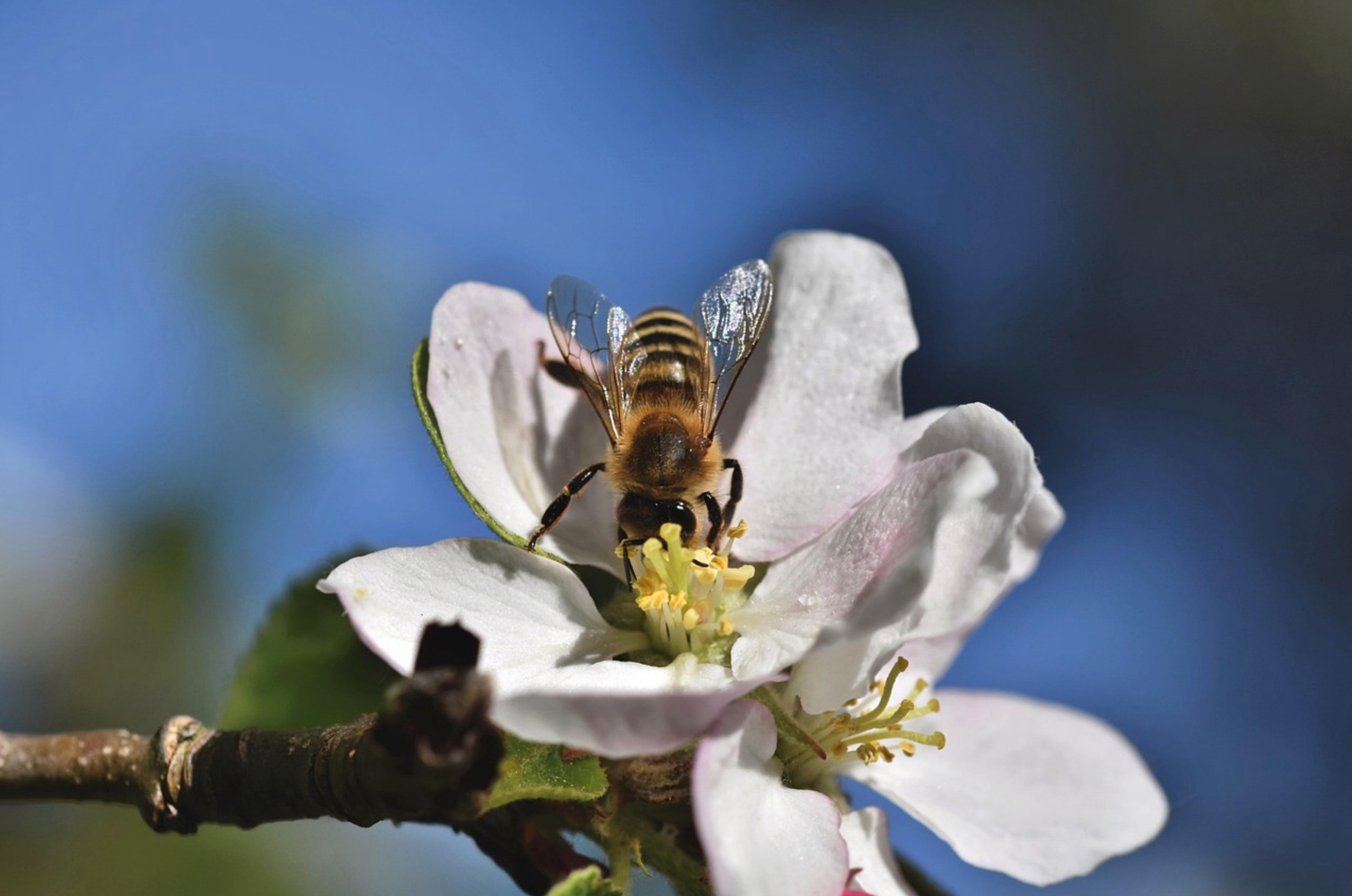
Pictured above: A close-up of a bee inside of a purple and blue catmint flower, collecting nectar. The bee's wings are in motion and the flower is in sharp focus while the background is blurred. Image credit: PollyDot
The Cat's Meow of Herbs: Discovering the Magic of Catmint
Catmint, also known as nepeta × faassenii, is a beautiful and fragrant herb that is a delight to grow in the garden. It gets its name from the fact that it is particularly appealing to cats, who are known to be attracted to its fragrant leaves and brush against them or even roll around on the plants. Not to be mistaken for annual catnip (Nepeta cataria), it has bright green leaves and delicate blue-purple flowers, adding a large pop of color and fragrance to any garden or permaculture project. My cat Kirby (pictured below), loves catmint, so much so that the plant is his favorite place in the garden. On sunny days I will almost always find him there, barely noticeable deep between plants, rolling around and hanging out next to the buzzing bees. When I drink catmint tea, Kirby is always by my side, asking for me to drop a few pieces on the floor.
Pictured above: Two different pictures of my tabby cat Kirby deep in the garden, basking in the sun between a catmint and comfrey plant. In the picture on the left, he’s munching on the catmint flowers and leaves, on the right he’s napping with the sun on his face.
Even if you don't have cats, catmint is still an excellent plant for the home and garden: with its showy purple blooms and fragrant foliage, it is a huge pollinator, is low maintenance, drought tolerant, and a relaxing medicinal. Whether you're planting it in a garden bed or using it in cut flower arrangements, catmint is very much a standout in landscape. So let’s dive in on the in’s and out’s of growing catmint.
Catmint Overview
Catmint is a beautiful and fragrant herb that has been enjoyed for ages. It is native to the Mediterranean region, but has been widely cultivated and used in various parts of the world. It is a perennial herb that can grow up to two feet tall and is prized for its delicate, soft, blue-gray leaves and its spikes of lavender or lilac-colored flowers. Catmint and catnip are both members of the mint family (Lamiaceae) and are closely related to each other. Catmint has a long history of use in traditional medicine, particularly for its calming and relaxing effects. The ancient Egyptians used catmint for its soothing properties, and the herb was also commonly used in the Middle Ages as a remedy for digestive problems and to relieve stress. Today, catmint is still used in aromatherapy, where its soothing scent is believed to help reduce stress and promote relaxation.
One of the unique characteristics of catmint is its strong ability to attract bees, butterflies, and other beneficial insects to the garden. From late spring to summer, it attracts scores of pollinators in temperate regions with its gorgeous blooms. This makes it an excellent choice for gardeners who want to create a thriving and diverse ecosystem in their gardens. Catmint is also highly resistant to deer and rabbits, which makes it a great choice for those who are creating a deer or rabbit resistant space.
Cats are naturally drawn to catmint due to its volatile oils, which are particularly appealing to their sensitive sense of smell. The aromatic oils in catmint stimulate the cat's olfactory receptors, causing them to feel relaxed and playful. This reaction to the scent of catmint is what makes it a popular choice for cat owners looking to provide their pets with an enjoyable and stimulating experience.
In addition to its beauty and practical benefits, catmint is also very easy to grow and care for. It is a hardy plant that can survive in a wide range of conditions and is tolerant of drought and poor soil. It is also highly disease resistant, making it a low-maintenance choice for any scale of permaculture project. Whether you are a seasoned permaculturist or just starting out, catmint is a great choice for your garden, and is sure to bring a touch of beauty, fragrance, and practicality to your outdoor space.
Propagating & Planting
Catmint can be propagated easily in several ways, including seeds, cuttings, and division.
For Seeds:
Start catmint seeds indoors 6-8 weeks before the last expected frost. Sow the seeds thinly in a seed-starting mix, and keep the soil consistently moist. Germination is roughly 14-21 days. Once the seedlings have reached a height of 2-3 inches, they can be transplanted outside.
For Cuttings:
Cuttings are a great way to propagate catmint, especially if you already have an established plant. Cuttings should be taken in the summer, when the plant is actively growing, and should be at least 4 inches long. Dip the cuttings in a natural rooting hormone (optional) and plant them in a pot filled with seed-starting mix or compost blend. Place the pot in bright, indirect light and keep the soil consistently moist until roots have formed and the cuttings have established.
For Division:
Division is another method of propagating catmint - probably the easiest way. This method is best done in the spring or fall, when the plant is not actively growing. To divide catmint, gently dig up the entire plant and gently separate the roots into smaller clumps. Replant each clump 3 feet part, making sure to keep the soil level consistent with the original planting depth.
When planting catmint, choose a location that has well-draining soil and receives at least six hours of sunlight per day. If your soil is heavy or poorly drained, amend it with compost or other organic matter to improve the soil structure. Dig a hole twice the size of the root ball and plant the catmint so that the top of the root ball is level with the soil surface. Fill the hole with soil, water thoroughly, and add a layer of mulch (straw, leaves, etc.) to conserve moisture. It is important to note that catmint is aggressive and can become weedy, so if you’re hoping to keep catmint at a smaller size it is recommended to plant it in a pot or in a contained area, such as a raised bed, to prevent it from spreading.
Growing Catmint
Hardy in USDA zones 3-8, catmint is an easy-to-care-for plant that offers a wealth of benefits, both in the garden and beyond. With its attractive leaves, showy blooms, and long growing season, it is a valuable addition to any landscape. Proper care is crucial to ensure that it remains healthy and flourishing. Outside of nepeta × faassenii, there are several different varieties of catmint to choose from including Siberian Catmint (Nepeta sibirica), Japanese Catmint (Nepeta subsessilis), Greek Catmint (Nepeta parnassica), and Persian Catmint (Nepeta racemosa). Be sure to choose one that has been adapted to your area’s climate conditions.
Sunlight is a vital component to catmint’s health, as it prefers full sun (at least 6 hours a day). It can however tolerate some shade, and will do well in a forest garden type system as long as it is able to receive several hours of direct sun. Adequate watering is also essential, as catmint likes consistently moist soil while it is becoming established. Once established it will become drought tolerant, only needing waterings during incredibly demanding periods. If incorporated into the right water based permaculture systems, you will only need to water once in a blue moon during the driest dry spells.
Catmint prefers a slightly alkaline soil with a pH between 6.0 and 7.0, but can also grow well in soils with a slightly acidic pH between 5.5 and 6.5. Build your soil before planting catmint and to promote continued growth, add a thick layer of organic material such as compost 2-3 times per year. At minimum, add once at the beginning of the growing season, and again in the fall when the plant starts to become dormant.
Routine pruning is also an effective way to keep catmint healthy and encourage continued growth. After the plant has finished blooming, shear it back by about one-third to stimulate new growth and repeat blooming. Deadheading spent blooms on their own will also encourage continued flowering. Refrain from cutting back catmint late in the season, as it may result in new growth, which makes the plant susceptible to cold damage. In terms of pests and disease, catmint is virtually pest and disease free, especially when kept in a diverse, rich ecosystem. However, powdery mildew can become an issue in high-humidity, compact conditions. Prevent this by giving your catmint enough space when planting (2-3 feet between plants), and treat with occasional liquid fertilizer waterings with comfrey tea.
With proper care and attention, catmint can be a beautiful and fragrant addition to your garden, providing a source of food and habitat for pollinators and adding texture and interest to your garden beds. By understanding its needs and providing proper care, you will enjoy this plant sooner than you realize!
Harvesting
Harvesting catmint is an incredibly enjoyable experience, mostly because it smells great but also because it’s easy. Wait to harvest until the plant is in full bloom, as the leaves during this time are stronger and more fragrant. The best time to harvest catmint is in the morning, when the essential oils are at their peak. Simply cut the stems just above a leaf node, and you should be able to harvest up to a third of the plant at a time. This not only provides you with fresh and fragrant foliage, but it also stimulates new growth. Select leaves and flowers that are in their prime and avoid harvesting leaves that are yellow or brown, as they may have lost their fragrance and flavor. Fresh catmint leaves can be stored in the refrigerator for up to a week, or dried for longer-term storage.
To dry, cut the plant tops and bundle them together, then dry them upside down in a dark, cool location away from cats (learned that the hard way). If you need to dry them fast, you can also dry using a dehydrator or oven. If going with this method, take off the leaves and place them in a single layer on a baking or dehydrating sheet. Bake at 110° F until they are dry and crumble easily.
Processing & Utilizing
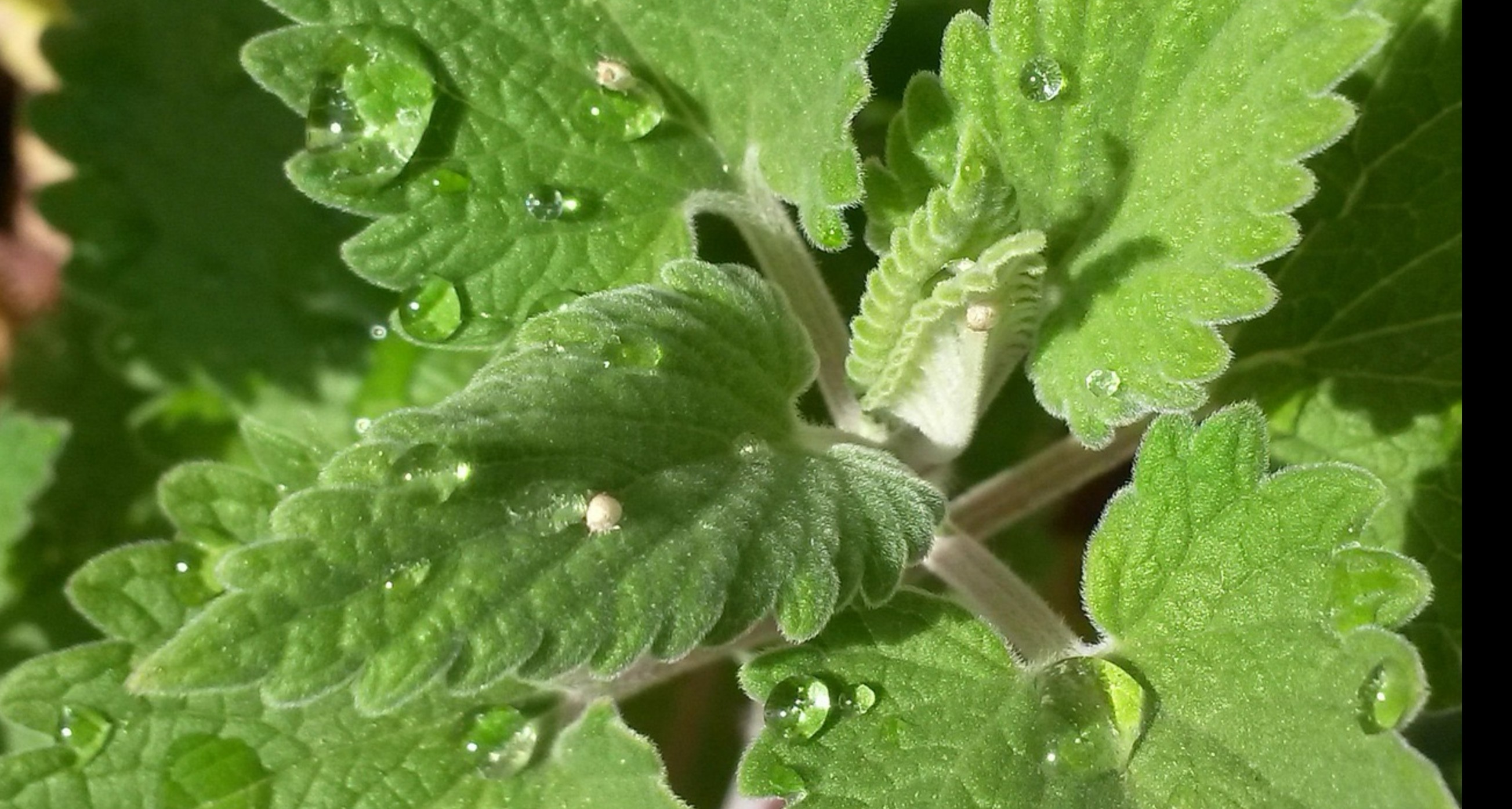
Pictured above: A close-up of lush green catmint leaves, with intricate veining and serrated edges, captured in detail with focus on their texture and natural shape. Image credit: rbeck96
Catmint is one of my all-time favorite teas, and might possibly be my favorite! There's something about the scent and flower that I love: slightly sweet and wholesome (who knows, maybe I am slowly turning into my cats). ****In fact, ****one of the most popular ways to use catmint is as a tea. Catmint tea is a soothing and calming beverage that has a slightly sweet and refreshing flavor. To make catmint tea, simply gather a handful of fresh or dried leaves and flowers, and steep them in hot water for 5-10 minutes. You can sweeten the tea with any sweetener, or add a squeeze of lemon for a tangy twist.
Catmint is also a great herb to use in cooking. Its delicate flavor pairs well with a variety of dishes, from savory to sweet. I have mostly added the fresh herbs to salads, but you can also try adding fresh catmint leaves to sauces or soups for a fresh and fragrant touch. I can imagine it would be delicious in an herbed, creamy root soup.
Medicinally speaking, the catmint plant has calming and soothing properties, and has been used to treat headaches, anxiety, insomnia, digestive issues, nausea and indigestion. Drink the tea directly or for a more concentrated version you can make a catmint tincture by steeping dried or fresh catmint leaves in high-proof alcohol such as vodka for several weeks. This will create a concentrated extract that can be added into tea, added to skin care products, or used as a natural remedy for the above issues.
The essential oils in catmint can also be extracted and used in lotions, soaps, and other natural skin and health products. To extract the oils from catmint, you can use steam distillation or cold pressing methods. Steam distillation involves boiling the plant material in water, causing the essential oils to vaporize and rise. The vapor is then cooled and condenses back into a liquid form, which is then separated from the water. Cold pressing involves mechanically pressing the plant material to extract the oils. The benefits of using catmint essential oils include their ability to soothe and calm the body, relieve pain, and improve overall well-being.
The Enduring Charm of Catmint
Catmint is a wonderful addition to any project, not just for its vibrant purple blooms, but also for its ability to attract pollinators and its irresistible aroma to cats. Whether you have feline friends or not, you will definitely love this herb. From its attractive appearance to its versatility as a medicine, catmint is the perfect plant to discover and incorporate. So, whether you're planting it in your garden or using it to make a tincture, you will quickly come to love this world of catmint just as much as I and my cats do!