
The Rainshadow Permaculture Blog
Siberian Pea Shrub Growing Guide
Caragana arborescens
(Nitrogen Fixer, Livestock Forage, Chop and Drop, Windbreak Trees)
Introduction
As a landscape designer, there are several plants that are my absolute “go-to’s” when designing a landscape. In permaculture, we learn that in order to create a landscape that functions mostly on its own, we need to not only mimic natural landscapes but also place plants that serve multiple ecological functions. Siberian Pea Shrub is one of my go-to’s for this reason— it is a nitrogen fixer, mulch plant, excellent windbreak, and provides chicken feed when needed. It works great in both big and small landscapes and is resilient in many different climates. Given the right conditions, it thrives and gives back much more than it receives.
Siberian Pea Shrub Overview
Siberian Pea Shrub, also known as Caragana arborescens, is a perennial deciduous shrub that is also known as the pea tree, or pea shrub. It is a member of the Fabaceae or legume family, which includes other well-known plants such as peas, beans, and alfalfa. One of the reasons Siberian Pea Shrub is a go-to for my landscape designs is that it can tolerate a wide range of soil types and can grow in areas with low rainfall. The current climate where I live is a steppe climate and gets less than 17 inches of rainfall each year. It is also drought-resistant and can tolerate temperatures as low as -40°F. This makes it a useful plant for planting in areas with harsh climates. It can grow up to 10-15 feet tall and 18-20 feet wide and has a dense, rounded shape with a thick trunk and branches. The leaves are small and feathery, and the plant produces small yellow flowers in the spring. These flowers are followed by the development of pea-like pods, which are the plant's primary source of food.
Siberian Pea Shrub originally hails from the rugged steppe and forest-steppe climates of Asia and parts of Europe. It has a long history of use by nomadic tribes in places like Siberia and China, who have relied on it for everything from food to fuel. The plant's edible peas, which resemble small garden peas, have been a staple of the nomadic diet, whether eaten fresh or dried. The wood of the shrub has also been used, while the plant's nitrogen-fixing properties made it an invaluable tool for crop rotation and soil improvement. But the Pea Shrub's versatility doesn't stop there - the dried peas have been ground into flour and used in baking, adding a unique and nutritious touch to traditional bread and pastries. In the late 19th century, the shrub was introduced to North America as a potential food source for homesteaders and as a tool for soil improvement and erosion control in the Great Plains. The shrub quickly became naturalized in many parts of the United States and Canada and is now considered an invasive species in some regions.
In Traditional Chinese Medicine, Siberian Pea Shrub is referred to as "ning tiao" and has been used for centuries to treat a variety of ailments. The root bark and leaves of the plant are believed to have anti-inflammatory and pain-relieving properties, making them useful for treating conditions such as rheumatoid arthritis and osteoarthritis. The plant is also believed to have diuretic properties, making it useful for treating conditions such as edema and urinary tract infections. Its root bark has been used to promote the healing of wounds, stop bleeding, as a sedative, and treat conditions like anxiety and insomnia. In Western medicine, it has rarely been used and there is not much western scientific research on its medicinal benefits.
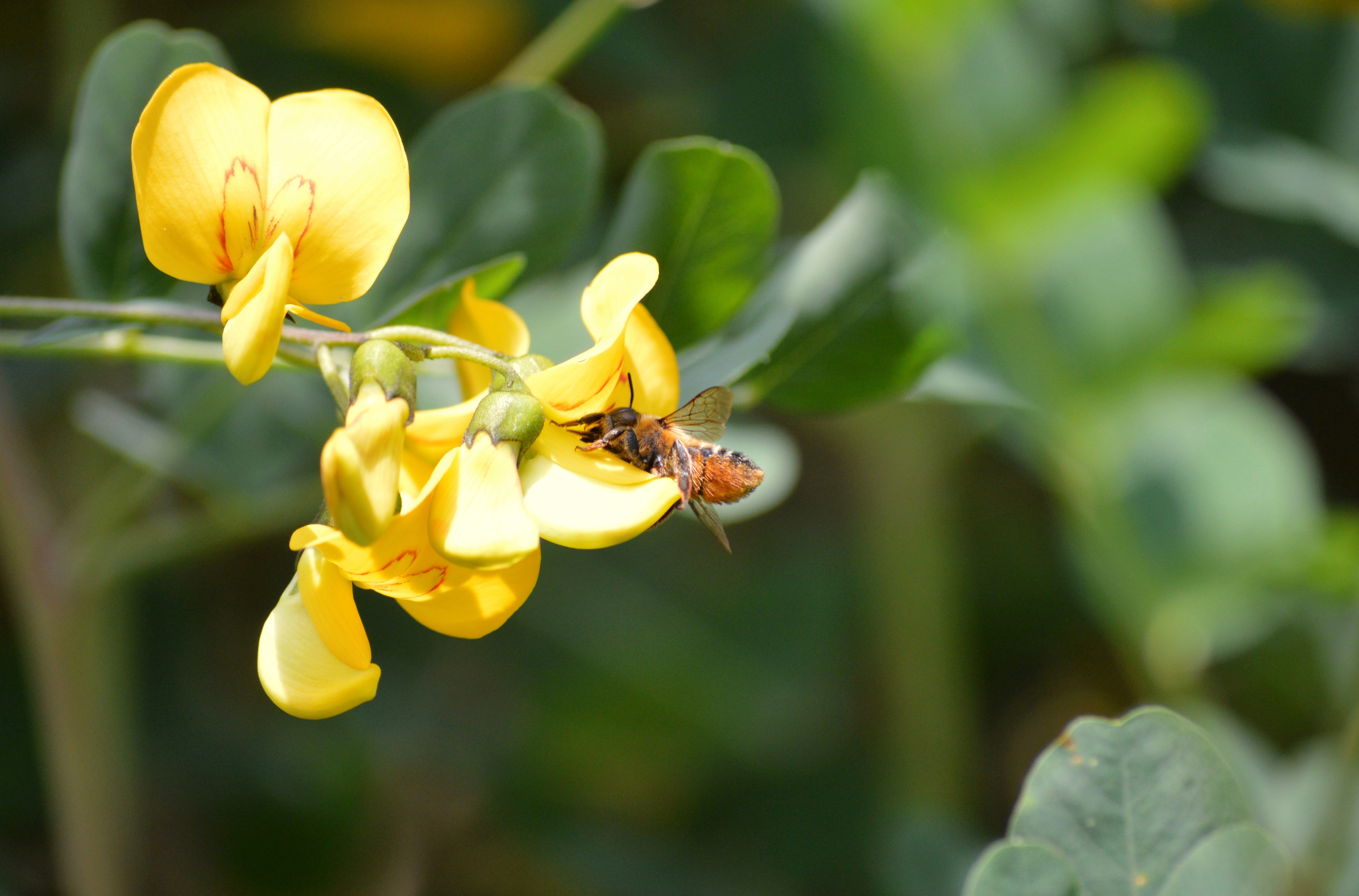
Outside of its many benefits to humans, it is also majorly beneficial to wildlife. The plant is a source of nectar and pollen for a variety of insects, including bees, butterflies, and moths. The yellow flowers of the shrub bloom in the spring and early summer, providing a valuable food source for pollinators during a time when other food sources may be scarce. The shrub's dense foliage also provides cover and nesting sites for birds and other wildlife. It's a great source of food and shelter, as well as a useful tool for improving and maintaining the health of an ecosystem.
Propagation & Planting
Because Siberian Pea Shrub is hardy and versatile, it is relatively easy to propagate. Each method has its own set of advantages and disadvantages, and the choice of which method to use will depend on your specific situation and goals. No matter which method of propagation you choose, it's important to choose a location that receives full sun and well-drained soil.
Seeds:
Collecting and planting the seeds of the shrub is probably the easiest way, however, know that you must treat them in order for them to successfully germinate. Start by collecting the seeds in the spring after they have been left on the shrub over winter. Treat them by soaking them in warm water for 12-24 hours. Remove seeds that have swollen to around 2-3 times their previous size as these will not be as successful once planted. Sow the rest immediately 1/4th inch deep in nutrient-rich, well-drained soil, as this will increase the chances of successful germination. Germination typically occurs within 2-3 weeks of planting.
Cuttings:
Cuttings can be taken in both the spring and summer. Propagate by taking 4-6 inch stem tip cuttings of semi-ripe wood from the current year's growth. Remove the lower leaves and dip the cut end in a natural rooting hormone (optional). These cuttings can then be planted in any kind of soil in a container and kept moist and in a bright, warm spot. Over the course of the next few weeks, the cuttings should root and be ready to be planted in their permanent locations.
Planting:
When planting Siberian Pea Shrub, the most important thing to remember when planting is to give it enough space to grow. It can grow up to 10-15 feet tall and 20 feet wide, so make sure to plant it in an area where it has room to expand, or cut it for mulch it 1-2 times per year to keep the growth down. If you're planting multiple shrubs and are going for a hedge look, space them about 10-15 feet apart. Another option that has been practiced with many permaculture greats like the Bullock Brothers is to plant it next to a tree while it is young and then remove it after the tree has become well established so that it will not become overcrowded.
Growth & Care
Siberian Pea Shrub can thrive with minimal care as long as you do the following: plant in full sun, plant in well-drained soil if possible, and water until established. Fertilize one to two times over the year by adding a layer of compost, mulch, or chopping and dropping the branches and leaves so that it can fertilize itself.
At no surprise, Siberian Pea Shrub is considered an invasive species in many regions across the US. This is because of its ability to fix nitrogen in the soil. What is nitrogen fixation you ask? Plants are able to pull nitrogen from the air and fix it into the soil. This process is typically carried out by symbiotic bacteria that live in the root nodules of leguminous plants (such as beans, peas, and clover). The bacteria convert atmospheric nitrogen (N2) into a form that plants can use, such as ammonia (NH3) or nitrite (NO2-). The plant then uses these compounds to create proteins and other molecules that are necessary for growth. This process is important for maintaining soil fertility, as it allows plants to add nitrogen to the soil, which can be used by other plants and organisms. That’s why in degraded landscapes, these sorts of plants thrive. They are filling an ecological role by nurturing nitrogen back into the soil. Degraded landscapes such as logged forests, sides of roads, and old agricultural fields tend to be stripped of this vital nutrient.
Pruning:
Prune Siberian Pea Shrub incrementally to promote air circulation, maintain a desirable shape, and remove any dead or damaged branches. Pruning will also help to control the plant's fast growth. The best time to prune is typically in late winter to early spring, you can also get away with pruning after the blooms have faded. When pruning, aim to remove about 1/3-2/3 of the oldest branches by cutting them at the base of the shrub.
Harvesting
The pea-like pods of the Siberian Pea Shrub are ready to be harvested in late summer or early fall. When harvesting, it's important to pick the pods at the right time. If they are picked too early, the peas inside will not be fully developed and will not be as tasty. If they are picked too late, the pods will have begun to dry out and the peas will be tough. To determine the right time to harvest, simply split a pod open and check the peas inside. If they are plump and mature, the pods are ready to be harvested. To harvest the pods, simply snap them off the branches. Be sure to wear gloves as the branches have sharp, prickly thorns.
Processing
Once you've harvested the pea-like pods, you can use them fresh or dry them later. Although the peas are not as commonly used and they do not have much flavor, they are edible and very nutritious. The flavor is relatively bland, so incorporate it into well-seasoned and spicy dishes. They can be eaten as a snack with mixed nuts, seasoned and added to salads, or used in rich soups and stews. The young leaves and shoots can also be eaten fresh or cooked as a vegetable, and they have a mild, pea-like flavor.
If storing for later or making flour, dry the pods by simply spreading them out in a single layer and allowing them to dry completely before storing them. You can also leave them on the plant until they dry out and turn brown. Once they're dry, you can shuck the peas out of the pods and use them just as you would dried peas.
Using Siberian Pea Shrub in the Landscape
Siberian Pea Shrub has many, many uses - whether you're looking to increase crop yields, beautify your landscape, use it as animal feed, or simply provide a haven for local wildlife, it is an excellent choice.
In the Garden
Chop and drop in the garden several times per year by cutting into 6-inch pieces and laying out over the roots of desired plants. It works best while new gardens are becoming established and can also act as ongoing fertilization for an established landscape. As a word of caution, it will grow to be huge if not constantly cut back, so do not plant directly in vegetable beds. Instead, plant interspersed in a polyculture garden or along a hedge.
As a Feed
The peas of Siberian Pea Shrub can provide a nutritious and cost-effective alternative to traditional chicken feed. They are a rich source of protein, which is essential for chickens, especially when they are laying eggs. Incorporate the shrub in your chicken garden and chickens will wild forage directly from the plant. You can also dry and process them to supplement their traditional feed. Cows, pigs, and goats can also benefit from including the Siberian Pea Shrub in their diet. The peas can be fed to them fresh or dried or they can be ground into flour.
In the Field & As a Fuel
Siberian Pea Shrub can be incorporated into an alley cropping or large-scale crop rotation system. Plant one Siberian Pea Shrub between several fruit or nut-bearing trees and alternate down the alley row. Cut incrementally for mulch and coppice for wood. Store the wood as a source of fuel. It burns hot and fast, and it's a good choice for kindling because of the size of the branches.
Conclusion
Siberian Pea Shrub is a solid shrub that can thrive in even the harshest of conditions. Its ability to tolerate cold and drought makes it a valuable addition to any garden, and its nitrogen-fixing abilities can improve the soil fertility in the area. It requires minimal care and attention. With a little creativity and experimentation, you'll discover many delicious and useful ways to incorporate Siberian Pea Shrub into your life!