The Rainshadow Permaculture Blog
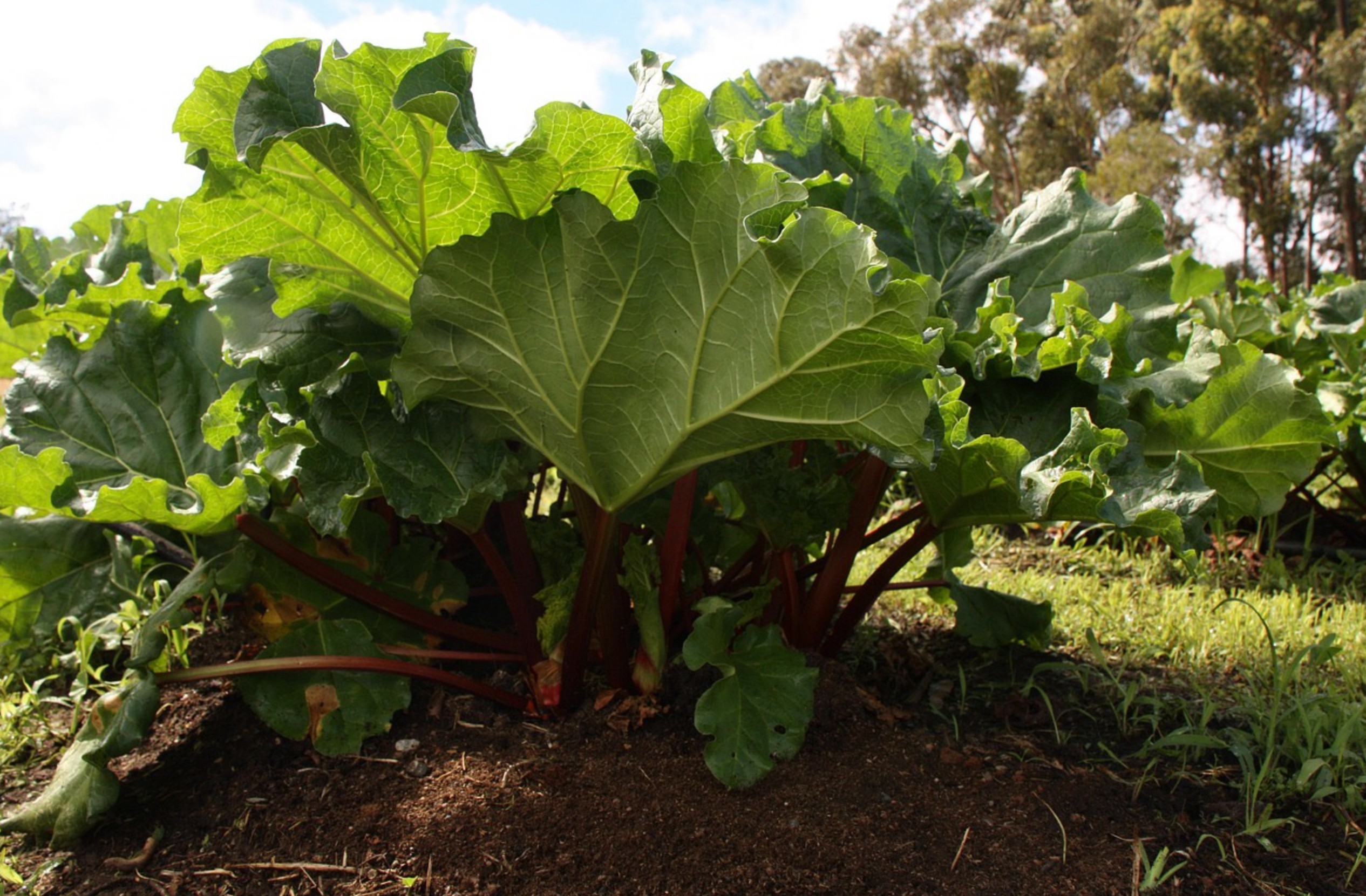
Rhubarb Growing Guide
Rheum rhabarbarum
(Edible, Chop and Drop, Natural Dye)
Rhubarb 101: A Comprehensive Guide to Growing and Harvesting
Rhubarb is a plant that tends to elicit strong feelings from people due to its distinct flavor. Some love its tartness, while others find it unpleasant. Despite its polarizing taste, rhubarb has a lot of benefits for permaculture gardening. Its deep roots make it an excellent choice for soil stability, while also providing shade for newly planted trees or shrubs. Additionally, rhubarb is incredibly low maintenance, making it a hassle-free addition to any garden. Beyond its use as a culinary ingredient, rhubarb is a versatile plant with many practical applications in sustainable gardening. In this overview, we will take a closer look at this perennial plant's history, traditional uses, and unique characteristics.
Rhubarb, also known by its scientific name Rheum rhabarbarum, is a member of the family Polygonaceae and is believed to have originated in Asia. It was first cultivated in China over 5,000 years ago for its medicinal properties and was later brought to Europe by Marco Polo in the 13th century. Rhubarb soon became a popular ingredient in sweet and savory dishes, and its cultivation spread throughout Europe and eventually to North America.
In addition to its use in cooking, rhubarb has a long history of use in traditional medicine. The root of the plant contains anthraquinones, which have a laxative effect and can be used to treat constipation (other plants that contain anthraquinones include senna, alder tree bark, cascara bark, and aloe). Rhubarb has also been used to treat a variety of ailments, including diarrhea, fever, and liver disease. It has been said that someone who eats a lot of rhubarb does not struggle with digestive issues.
Recent studies have suggested that rhubarb may have anti-inflammatory properties and could be useful in the treatment of conditions such as osteoarthritis. Rhubarb has also been found to contain significant amounts of antioxidants, which can help protect the body from oxidative stress and decrease the risk of many health-related issues such as heart disease, cancer, and diabetes.
One of the most unique characteristics of rhubarb is its flavor. The stalks of the plant are tart and slightly sour, making them an excellent addition to sweet dishes such as pies and crumbles. Rhubarb is also known for its bright red color, which is caused by the presence of anthocyanins. Interestingly, the color of the stalks can vary depending on the soil in which they are grown and the variety of the plant.
Rhubarb is a perennial plant, which means that it can survive for multiple growing seasons (20 years or longer). The plant dies back in the winter and regrows in the spring, producing new stalks that can be harvested throughout the summer. If you are interested in growing your own rhubarb, it’s important to note that the plant prefers cooler climates and can be challenging to grow in hot, dry regions. Rhubarb is typically propagated by dividing the roots of an existing plant, and it is important to choose a location with well-draining soil and plenty of sunlight. Rhubarb is a hardy plant that can survive in a variety of growing conditions, but it does require occasional watering and organic fertilization.
Whether you’re on the side of enjoying rhubarb’s unique flavor or not, it is undeniable that it is an excellent plant to grow and incorporate into an edible system.
Rhubarb Interesting Facts:
Rhubarb is technically a vegetable, although it is often treated like fruit in cooking and baking.
The leaves of the rhubarb plant are toxic and should never be eaten, as they contain high levels of oxalic acid.
The ancient Greeks and Romans used rhubarb for medicinal purposes, and it was highly valued for its purgative properties.
The first rhubarb was brought to North America in the early 19th century, and it quickly became a popular ingredient in pies, sauces, and jams.
Rhubarb is a cold-hardy plant that can survive temperatures as low as -20°F (-29°C).
In Victorian times, rhubarb was a popular laxative and was called the “pie plant”
Propagation & Planting
Rhubarb can be grown in a variety of climates and soil conditions. If you are interested in growing your own rhubarb, there are several factors to consider, including how to propagate the plant and how to plant it in your garden.
Propagation
Rhubarb is typically propagated through division, which involves separating an existing plant into smaller pieces and replanting them. This can be done in the fall or early spring when the plant is dormant. Rhubarb can be propagated in the winter in mild climates such as USDA zones 7-8.
To divide a rhubarb plant, simply dig up the root ball and use a sharp knife or shovel to separate it into sections. Keep the primary plant in the ground, and pull the desired sections up to re-plant. Each section should have at least one healthy shoot and a good portion of the root system.
Rhubarb can also be propagated from seed, but this method is less reliable and can result in plants that are less vigorous or less true to the parent plant. If you do choose to propagate rhubarb from seed, start them indoors in late winter or early spring, as they can take several weeks to germinate. Before planting your seeds, it is recommended to soak them in water for 1-2 hours. If you plan on starting your seeds indoors, use a screened compost or other organic planting mixture to plant 2 seeds per 2 to 3-inch pot.
Planting
Once you have divided or obtained rhubarb crowns, it is time to plant them in your garden. Rhubarb prefers well-draining soil that is rich in organic matter and a location with full sun or partial shade. The ideal pH for rhubarb is between 6.0 and 6.8.
When planting rhubarb, dig a hole that is deep enough to accommodate the roots, which should be buried about 2-3 inches below the soil surface. The crown of the plant should be level with the soil surface, and it is important not to bury it too deeply, as this can lead to root rot. If planting multiple rhubarb crowns, plant them at least 3 feet apart to allow for adequate air circulation and to prevent competition for nutrients. Once you’ve planted your rhubarb, apply a 2-inch thick layer of compost or aged manure as well as a top layer of mulch such as leaves or straw.
Growing Rhubarb
USDA Growing Zone 3 to 8
Rhubarb is a hardy and low-maintenance plant that can provide a bountiful harvest for 20 years (or longer). Here are some tips on how to ensure your rhubarb plants grow and thrive:
Rhubarb thrives in cool, temperate climates, and prefers full sun to light shade. It needs well-draining soil that is rich in organic matter. With water systems that have been to designed to slow, spread and sink water, watering should only be occasional during periods of dry weather and drought. When watering, water deeply to ensure the soil stays consistently moist, but not waterlogged.
Rhubarb is considered a heavy feeder and benefits from a thick layer of organic matter such as compost or aged manure to the soil around the base of the plants. Typically this could look like a feeding in the early spring, again halfway through the growing season, and then again in fall. Add a layer of mulch on top to protect the soil and retain moisture.
The growing season typically begins in early spring, and the plants can continue producing stalks until early summer. After this, the plants should be allowed to rest and store energy for the next growing season. On mature plants, flower stalks will start to emerge in order to produce seeds. Unless you are collecting seeds, remove any flower stalks that appear, as these can divert energy away from the production of healthy, edible stalks.
In a permaculture system, rhubarb is an excellent weed suppressant, mulch, and channel of water for other plants. Chop and drop rhubarb leaves (if your plant is mature enough) or at the end of the season. Plant with any kind of fruit tree such as an apple or pear, plum, or citrus.
Rhubarb plants are generally hardy and resistant to pests and diseases. However, they can occasionally be affected by pests such as aphids, slugs, and snails. To prevent pest infestations, keep the area around the plants clean and free of debris, and avoid overwatering. Plant with companion plants such as broccoli, cabbage, kale, kohlrabi, cauliflower, Beets, catnip, dill, garlic, marigolds, sage, and onions.
Harvesting
Harvesting rhubarb is a key step to enjoying the fruits of your labor. When done correctly, it will not only provide you with a delicious crop but also ensure the continued growth and vitality of your rhubarb plants. Here are some tips for harvesting rhubarb:
Timing:
Rhubarb is typically ready to be harvested in the late spring to early summer when the stalks are at least 12 inches (30 cm) long and have a bright red color. Wait until the stalks are fully matured before harvesting to ensure maximum sweetness and tenderness.
Technique:
To harvest rhubarb, gently grasp the stalk near the base and pull it away from the plant. Avoid twisting or breaking the stalk, as this can damage the plant and reduce future yields. If the stalks are particularly stubborn, use a sharp knife to cut them off at the base. Cut or tear the end of the leaf of the stalk, do not use this as it is toxic. Chop and drop the leaf or add it to the compost bin.
Amount:
When harvesting rhubarb, be sure to leave at least a few stalks on the plant so that it can continue to grow and produce. A good rule of thumb is to never harvest more than one-third of the plant's stalks at any one time.
From pies to pickles: Delicious rhubarb recipes to try
Rhubarb can be utilized in a variety of recipes. To prepare rhubarb for use, wash the stalks thoroughly and trim off the leaves and the tough ends. From there, you can chop the rhubarb into pieces of the desired size and use it in a variety of recipes.
Fresh rhubarb can be stored in the refrigerator for up to a week. If you have a surplus, you can also freeze it for later use. You can eat rhubarb raw, although many think the taste is too taste on its own. To freeze rhubarb, wash and chop the stalks into pieces, then place them in an airtight container or freezer bag.
Rhubarb can be cooked in a variety of ways, including baking, stewing, and sautéing. It's often paired with sweet flavors, such as strawberries or sugar, to balance out its tartness. Rhubarb can also be used in savory dishes, such as chutneys or sauces
Rhubarb can be preserved through canning, pickling, or making jams and jellies. See below a recipe on pickled rhubarb:
Pickled Rhubarb:
Ingredients:
2 cups chopped rhubarb
1 cup white vinegar
1 cup water
1/2 cup sugar
1 teaspoon salt
1/2 teaspoon black peppercorns
1/2 teaspoon mustard seeds
Instructions:
Sterilize a quart-sized canning jar and its lid by boiling them in water for 10 minutes. Remove from water and set aside.
In a medium saucepan, combine vinegar, water, sugar, salt, peppercorns, and mustard seeds. Bring to a boil over high heat, stirring to dissolve sugar.
Add the chopped rhubarb to the boiling mixture and stir to combine.
Reduce the heat to medium-low and simmer for about 5 minutes, or until the rhubarb is just tender but not mushy.
Using a slotted spoon, carefully transfer the rhubarb to the sterilized jar. Pour the pickling liquid over the rhubarb until it is completely covered.
Close the jar with the sterilized lid and let it cool to room temperature.
The pickled rhubarb can be stored in the refrigerator for up to 1 month. Refrigerate for at least 24 hours before serving.
Enjoy your tangy and delicious pickled rhubarb on sandwiches, salads, or as a snack!
In addition to its culinary uses, rhubarb has a variety of other applications. It can be used to dye fabric, as its leaves produce a natural green color and the roots produce a rich yellowish-brown color. To make a dye from the leaves, first, collect a large number of fresh rhubarb leaves. Chop them into small pieces and place them into a large pot. Add enough water to cover the leaves and bring to a boil. Simmer for about an hour or until the water has turned a dark green color. Remove the pot from the heat and strain the liquid through a cheesecloth or fine mesh strainer, discarding the solids.
To make a dye from the roots, first, harvest the roots in the fall or early spring. Wash and chop the roots into small pieces and place them into a large pot. Add enough water to cover the roots and bring to a boil. Simmer for about an hour or until the water has turned a yellowish-brown color. Remove the pot from the heat and strain the liquid through a cheesecloth or fine mesh strainer, discarding the solids.
Once you have your dye, you can use it to dye fabric or yarn. To use the dye, first, soak your fabric or yarn in water to prepare it for dyeing. Then, add the fabric or yarn to the dye pot and bring the mixture to a simmer. Let the fabric or yarn simmer in the dye for about an hour, stirring occasionally to ensure even coverage. Once the desired color is achieved, remove the fabric or yarn from the pot and rinse it thoroughly in cool water until the water runs clear. Hang to dry and enjoy your naturally dyed material.
Conclusion
All and all, rhubarb is an abundant gift to the garden and plate. With its vibrant color, unique flavor, and numerous health benefits, it's no wonder why so many people love growing this plant. From pies to dyes, there's no shortage of creative ways to use rhubarb in the kitchen and beyond.