
The Rainshadow Permaculture Blog
Pear Tree Growing Guide
Pear Tree
Pyrus
(Edible, Wildlife Benefit)
Pear Trees: The Perfect Addition to Your Orchard or Garden
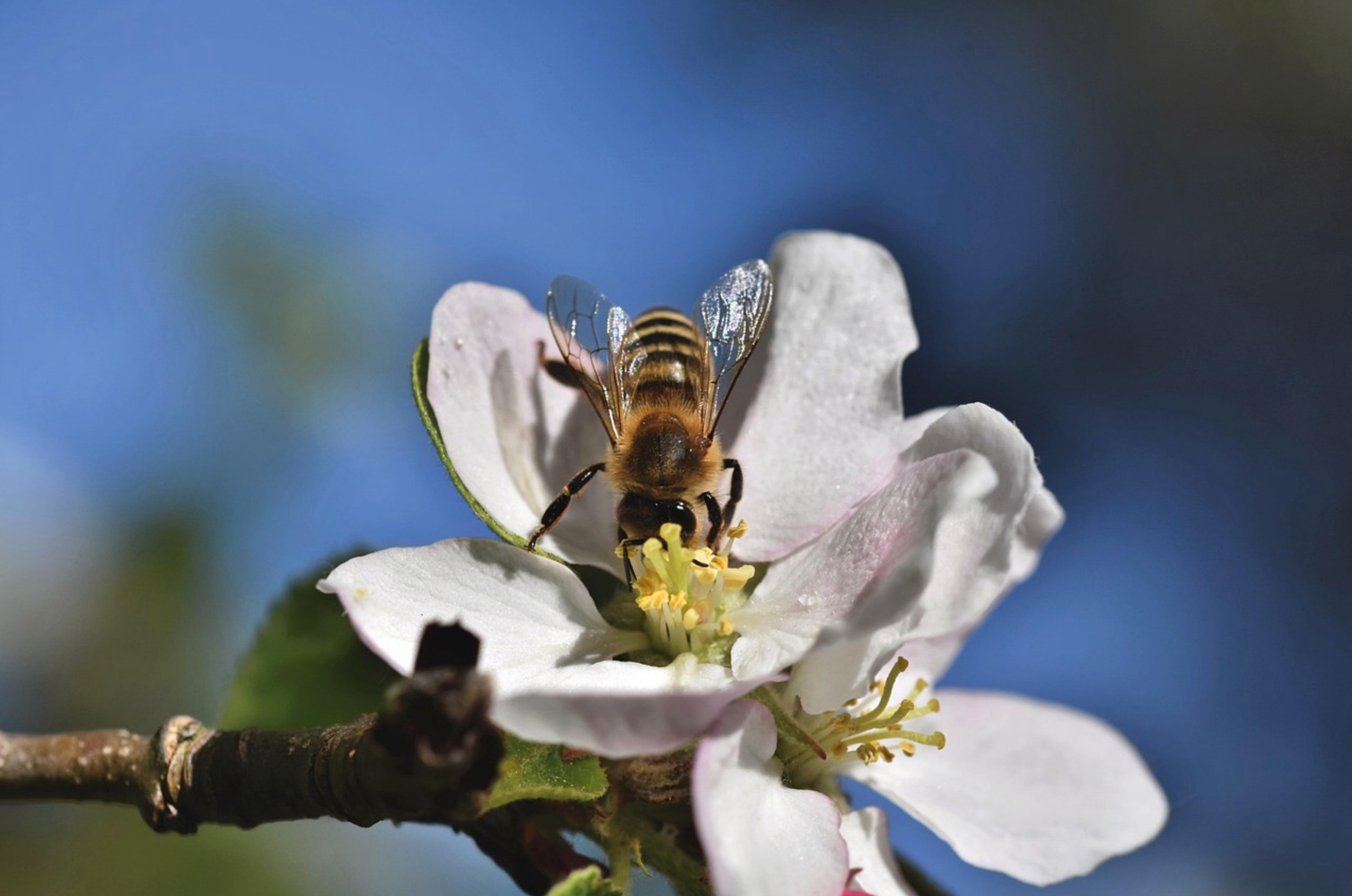
In the orchard where I live, there is currently one pear tree - a bosc variety. When I first discovered this, I thought it was odd, because pears and apples (among many others like plums and cherries) are considered self-incompatible, which means they need at least one other variety of tree to help them achieve pollination. Why would the original owners only plant one? At the time I didn’t know exactly how cross-pollination worked, and that apples can actually “pollinize” for pears and visa versa. Even though it is ideal to have more than one pear variety, every year our pear tree is the most abundant of all of the other trees, always giving so much more than what it had previously been given.
When I first got into growing and caring for fruit trees, I was intimidated by how much there was to know, and also the sheer amount of time certain fruit trees can be alive (50 years or more). So much time to mess things up! But, the reality is, you have to start somewhere. If you’re just starting out, I highly recommend The Holistic Orchard: Tree Fruits and Berries the Biological Way by Michael Phillips. This book really opened my eyes to treating your trees in a holistic way, all the while incorporating permaculture principles. With a little education, time, and practice you’ll be on your way to growing pear trees and beyond!
Pear trees are a popular and beloved fruit tree that is widely cultivated in gardens and orchards around the world. Known for their delicious and juicy fruit, pear trees have a rich history and a variety of uses. In this guide, we will explore the basics of pear tree cultivation and provide you with the knowledge and tips you need to successfully grow this tasty fruit in your garden or permaculture project.
Pear Tree History & Overview
The pear tree (Pyrus communis) is native to Europe, North Africa, and Asia and has been cultivated for thousands of years. It is one of the world's oldest and most beloved cultivated fruits. It is believed that pear trees were first domesticated in the Caucasus region of western Asia, and were brought to other parts of Europe by the Romans. The fruit was highly prized in ancient times and was considered a symbol of immortality and good luck. In The Odyssey, Homer describes them as a "gift of the gods," and Roman farmers documented grafting techniques and extensive pear cultivation. Pears' versatility and long storage life made them a valuable commodity in the ancient trading routes, and Renaissance Masters immortalized their beauty in still-life paintings.
Pears are an adaptable fruit that can be eaten fresh or cooked in a variety of dishes. They are commonly used in salads, desserts, and baked goods, and can also be canned or preserved for later use. In addition to their culinary uses, pear wood is prized for its durability and strength and is often used to make furniture, for smoking, and other household items.
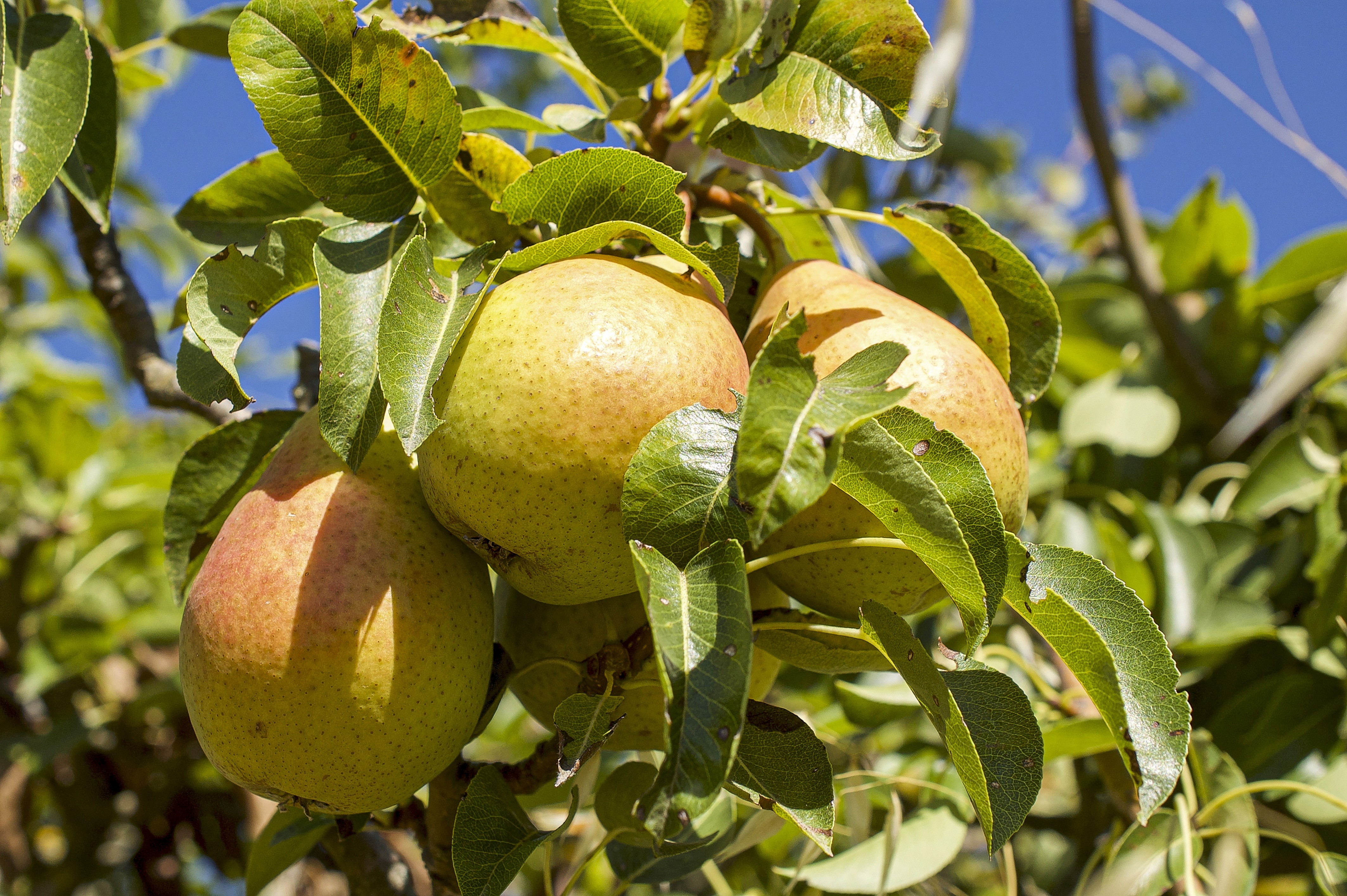
Pear trees are deciduous and can grow up to 40 feet tall, though most cultivated varieties are much smaller. The leaves of the pear tree are dark green and glossy, and the bark is gray and rough. The fruit is typically bell-shaped, with firm flesh and a sweet, juicy flavor. Unlike most other fruits, pears ripen best after they are harvested and can be stored for several weeks or even months.
Pear trees, like many other fruit trees, require a cold period in order to set fruit called stratification. This means that they are best suited for temperate climates with cold winters, though there are some varieties that can be grown in warmer regions as well. Pears typically begin producing fruit when they are 3-5 years old and can continue to bear fruit for several decades if properly cared for.
The Medicinal Benefits of Pears: A Fruit Full of Health
Pears are a juicy and delicious fruit that offers more than just a sweet taste. They have been used for centuries as a natural remedy to treat a range of ailments, and modern research has confirmed their numerous health benefits.
Digestive Health
Pears are a great source of fiber, which can promote healthy digestion and help prevent constipation. They also contain natural laxatives like sorbitol and mannitol, which can ease bowel movements and alleviate symptoms of irritable bowel syndrome (IBS).
Immune Boosting
Pears are rich in vitamin C, a powerful antioxidant that helps to boost the immune system. They also contain copper, which is important for the production of white blood cells, and potassium, which can help regulate blood pressure and prevent strokes.
Anti-Inflammatory Properties
Pears contain anti-inflammatory flavonoids and anthocyanins, which can help reduce inflammation in the body and alleviate symptoms of arthritis, asthma, and other inflammatory conditions.
Cancer Prevention
Pears contain phytonutrients like quercetin, which has been shown to have anti-cancer properties. Regular consumption of pears may help reduce the risk of several types of cancer, including colon, lung, and breast cancer.
Cardiovascular Health
Pears are rich in fiber and antioxidants, which can help reduce cholesterol levels and lower the risk of heart disease. They also contain potassium, which can help regulate blood pressure and prevent strokes.
Skin Health
Pears are high in vitamin C, which is essential for collagen production and skin health. They also contain copper, which can help prevent wrinkles and promote healthy skin.
How to Propagate A Pear Tree
In my opinion, choosing the right cultivar of pear tree is one of the most important factors for a successful harvest. Decide first what your goals are - are you looking for sweet-tasting pears or pears that store well? What about pears that can well or are buttery when dried? No matter which direction you go, look for varieties that have been adapted to your region and climate. Consult with local nurseries or extension offices for recommendations. Some popular and easy-to-grow cultivars include Bartlett, Bosc, Anjou, and Comice. Consider the size of the tree, ripening time, and disease resistance when choosing a cultivar. It is also recommended to plant at least two different cultivars for cross-pollination, which increases the chances of a bountiful harvest.
Seeds:
Pear trees can be propagated by seeds, cuttings, and grafting. However, propagating pear trees from seeds is a lot harder because it can result in variability in fruit quality and timing of fruit production. You may end up with a different pear tree different than the one you collected the seed from. But if this is the way you want to go, don’t let this stop you, because growing a tree from seed successfully is just about as rewarding as it gets! If starting with seeds, put them in the freezer for about 6 weeks. Afterward, place only one seed per pot put the pot(s) in a sunny spot, and keep the soil moist. The seeds should germinate and produce green growth in two to three months. After the pear trees grow 1 foot tall (31 cm.), you can place them in well-drained sandy loam soil.
Cuttings:
To propagate pear trees by cuttings, take a healthy 8-10 inch long cutting from the previous year's growth in late winter or early spring. Remove the leaves from the bottom half of the cutting and dip the cut end in rooting hormone such as willow concentrate. Plant the cutting in well-drained soil and water it thoroughly, placing it in a warm location out of direct sunlight. Check the cutting regularly for signs of rooting, typically around a month or so. After it has been established it can be moved outwards in an environment protected from direct sun and wind.
Bear Root:
Bare-root pear trees are young trees that are sold and shipped without any soil around their roots. These trees are dormant and can be planted during their dormancy period, which is usually from late fall to early spring. Bare-root pear trees are often more affordable than potted trees and can establish more quickly in the ground, they can also be better for the environment because they do not come in a plastic pot. When planting bare-root pear trees, make sure to soak the roots in water for several hours before planting. Dig a hole large enough to accommodate the roots, and add compost or other organic matter to the soil. Place the tree in the hole, backfill it with soil, and water thoroughly.
Grafting:
Grafting is a technique that involves combining two different plants in order to create a new hybrid plant with desirable traits. The process of grafting a pear tree involves taking a small cutting, or scion, from a desired variety of pear trees and attaching it to a rootstock of a different pear tree. This allows the tree to combine the desirable traits of both the scion and the rootstock, resulting in a new pear tree that has the desired fruit characteristics as well as the benefits of a strong and sturdy root system.
To graft a pear tree, start by selecting a healthy scion from a desired variety of pear trees. The scion should be about the thickness of a pencil and have at least three buds. Next, select a healthy rootstock of a different pear tree that is similar in size to the scion. Using a grafting knife, make a diagonal cut at the bottom of the scion and a matching diagonal cut on the rootstock. Join the two cuts together, making sure the cambium layers match up and wrap the graft union with grafting tape. Keep the graft union moist and warm until the graft has taken hold and the new tree is established.
How To Plant A Pear Tree:
Planting a pear tree is a rewarding and relatively easy task that can yield delicious fruit for many years. Proper preparation of the soil, selection of a good site location, correct spacing, and following proper planting instructions are all important factors to ensure the successful growth of your pear trees.
Soil Preparation
Soil preparation is the first step and in my opinion the most important to jumpstart the growth and success of the tree(s). Pear trees grow best in well-drained soil with a pH level between 6.0 and 7.0, but there is some flexibility. Before planting, test your soil’s pH level and amend it as necessary. Adding a rich layer of organic matter, such as compost or well-rotted manure, several months to a year prior to planting is key to building your soil up. Top with a thick layer of mulch such as deciduous wood chips. All kinds of wood chips will eventually break down and benefit the soil, but fruit trees tend to prefer deciduous mulch.
Choosing The Site
Selecting the right site location is crucial for the growth of a pear tree. The ideal location should have full sun exposure and good air circulation. Avoid planting in areas that are prone to frost pockets or low-lying areas that may accumulate water. It is also important to consider the proximity of other trees and buildings, as they can shade the pear tree or interfere with its root growth.
Spacing
Spacing is another important consideration when planting a pear tree. Mature pear trees can grow up to 25 feet tall and 20 feet wide, so it is important to give them adequate space. The recommended spacing for dwarf and semi-dwarf pear trees is 10 to 15 feet apart, while standard trees should be spaced 20 to 25 feet apart.
Planting Instructions
When planting a pear tree, dig a hole that is twice as wide as the tree’s root ball and deep enough to accommodate the roots. Place the tree in the hole, making sure the graft union is 2 to 3 inches above the soil line. Backfill the hole with soil, making sure to tamp it down firmly to remove any air pockets. Water the tree thoroughly to settle the soil. Reapply the area with another layer of mulch.
Growth & Care
Pear trees are hardy, long-lived trees that can thrive in a variety of climates and soil types. They are relatively easy to grow and care for, as long as their basic needs are met. Here are some tips on how to ensure your pear tree grows and thrives:
Sun & Water:
Pear trees require full sun exposure to grow and produce healthy fruit. They need at least six to eight hours of direct sunlight daily to thrive. In terms of water requirements, they need regular and consistent watering during their first few growing seasons while they become established. Adequate moisture is important for fruit production, and lack of water can lead to poor fruit quality and yield. Drip irrigation is recommended in order to use the least amount of water and avoid evaporation. It is important to avoid overwatering as it can lead to root rot and other diseases. Once established, mature trees can likely be dry-farmed in deep soils with good soil quality, however, this will depend on your specific situation and the amount of time you have been building your soil.
Fertilization:
There are many ways to fertilize the soil beneath your trees starting with a thick layer of rich compost or aged manure twice per year. Other fertilization options can include: alfalfa meal, fish meal, chop and dropped mulch plants from the respective guild, soybean meal, composted manure, black rock phosphate, bonemeal, wood ash, greensand, or kelp meal. Choose fertilization options that complement what your soil needs.
Pruning:
To improve the health and productivity of pear trees, it is important to prune them regularly. Pruning helps promote new growth, removes dead or diseased wood, and shapes the tree for optimal fruit production. Prune pear trees in late winter or early spring before new growth begins, while the plant is dormant. There are several different kinds of pruning techniques, including English pruning and Japanese Pruning. Choose the method that feels most comfortable for you.
Pest Management:
Just like apples, pear trees are susceptible to a variety of pests and diseases, including scab, aphids, scale, and pear psylla. There are several natural methods to both prevent and treat pests and diseases including the following: compost foliar spray, herbal spray with comfrey, nettles, garlic scapes or horsetails, neem oil spray, or using lime and breaking down fallen leaves with a lawn mower, among many others. I recommend reading The Holistic Orchard: Tree Fruits and Berries the Biological Way to learn about these methods in detail. Michael Phillips has revolutionized natural fruit tree pest management on both a small and large scale.
The Permaculture Way - Guild Planting
Growing pear trees in a guild can be a great way to create a self-sustaining ecosystem that benefits both the trees and the surrounding plants. Comfrey, yarrow, and clover are all great options to plant around the base of the tree, as they have deep taproots that can help bring nutrients up to the surface. Other nitrogen-fixing plants like vetch, alfalfa, and beans can also be useful. Fruit tree guilds often include other fruit-bearing plants such as blackberry, raspberry, or currant, which can help attract beneficial insects and add diversity to the guild. Herbs like thyme, sage, and mint can also be incorporated to attract pollinators and provide a range of medicinal and culinary uses. Finally, consider adding beneficial trees like nitrogen-fixing locusts or supportive shrubs like elderberry to further enhance the health and productivity of the guild. Be sure to plant pollinator plants that align with the pollination time of your pears.
Less is more when it comes to taking care of pear trees in the long term. Once the trees mature, it can be easy to let life take over and forget to maintain the trees how you should. By planting with a guild you are allowing the system to in a way, take care of itself. This will ensure that the trees and the surrounding plants continue to thrive in the long term, and provide you a diversity of edibles, medicinals, and plant life.
Harvesting
Harvesting and storing pears from a pear tree is a crucial step in ensuring that you get the most out of your harvest. When your plants start to grow in abundance it can be easy to have food spoil, therefore having a plan is key to success.
The first step is to know when your pears are ready to be harvested. Pears typically ripen on the tree, but they will not be at their best quality if they are left to ripen completely on the tree. The best way to tell if a pear is ready to be harvested is to gently lift it up and twist it. If the fruit comes away from the stem easily, it is ready to be picked. Another way to tell if a pear is ready is by checking its color. Most pears will change color from green to yellow or red as they ripen. However, not all pear varieties will change color, so it's important to check the firmness of the fruit as well.
Once you have determined that your pears are ready to be harvested, it's important to handle them carefully. Pears bruise easily, so it's best to use a picking basket or bag to collect the fruit. Place each pear gently into the basket or bag to prevent any damage.
If you plan on storing your pears, it's important to pick them 2-3 weeks before they are fully ripe. This will allow them to ripen properly off the tree without becoming overripe or mushy. Once you have picked your pears, it's best to store them in a cool, dry place. The ideal temperature for storing pears is between 30-32°F with a relative humidity of around 90%. Pears can be stored in a refrigerator or a root cellar for several months. If you notice any pears starting to rot or show signs of damage, it's important to remove them from the storage area immediately. Damaged fruit can cause other fruit to spoil, so it's important to keep a close eye on the storage.
Processing & Utilizing
Pears are very common in the modern diet and can be used in dozens of ways. Whether you're looking to preserve them for the winter or whip up a fresh dessert, there are plenty of ways to use the fruit fresh from the tree.
One of the simplest ways to use pears is to simply eat them fresh. When the fruit is ripe, it can be enjoyed as a healthy snack or added to a fruit salad. Pears can also be used in baking, from pies and tarts to cakes and muffins. They can be used in savory dishes as well, such as in salads or roasted with other vegetables. If you have a surplus of pears, one way to preserve them is to can them. This involves packing the fruit in jars and boiling them in a water bath. Another way to preserve pears is to make them into a jam or jelly. This involves cooking down the fruit with sugar and sometimes other flavorings and then canning the finished product. Pear jam or jelly can be enjoyed on toast, scones, or even as a glaze for savory dishes.
Pears can also be used to make pear wine or pear cider. These beverages are made by fermenting the fruit with yeast and other ingredients and can be enjoyed as a refreshing drink or paired with meals. One of my favorite parts of living in Washington State is the local cideries with alcoholic cider.
Finally, pears can be dried, either in a dehydrator or in the sun. Dried pears make a great snack and can be added to trail mix or granola. They can also be rehydrated and used in baking or as a topping for oatmeal or yogurt.