The Rainshadow Permaculture Blog
Maximillian Sunflower
Helianthus maximiliani
(Edible, Erosion Control, Wildlife Benefit, Chop and Drop)
Introduction
I was first introduced to Maximillian Sunflower when reading: Gaia's Garden: A Guide to Home-Scale Permaculture, by Toby Hemenway. In the book Hemenway says:
“Maximillians are one of the few perennial—not annual sunflowers, [that is] a benefit because they don’t need planting every year. They grow five to seven feet tall and sport four-inch yellow blooms in the late fall, giving a fine flash of color when most everything else is spent. A big plus is that the deer don’t eat them—in fact, the stems are covered with a course fuzz that discourages deer from poking through them. The trimmings, especially when I cut them down in the spring, are copious and create plenty of biomass for mulch or compost.
“The benefits continue. Maximillians, a relative of Jerusalem artichokes, have edible shoots that are delicious raw or cooked. The seeds are attractive to birds raw or cooked (they also yield a useful oil, but I confess I’m not following up on this aspect). They are very hardy, to -30 degrees Fahrenheit. The plant is very drought tolerant. It can handle many soil types. all the better because on my land it was growing in some very nasty red clay. So here’s a plant that […] is quite pretty but blooms late, has edible parts, attracts birds, generates mulch, stops grass invasion, and is very low maintenance. It’s an excellent multifunctional plant.”
What!? A perennial sunflower with multiple edible parts and functional uses in the garden?! I had to try growing it, especially since Hemenway and I were in the same growing zone. Since then I haven’t looked back, as Maximillian Sunflower is a keystone plant both in my garden and also in my permaculture designs. With the right setting, and a little love and care, you can have a full thicket of Maximilian sunflowers in your garden too.
Plant Overview & History
The Maximillian Sunflower, also known as the prairie sunflower or Helianthus maximiliani, is a perennial native to the Great Plains of North America and is hardy to USDA Zones 3-9. It received its name after naturalist Prince Maximilian of Wied, who lead an expedition to the Great Plains in the early 19th century. It holds a rich history of uses traditionally; Native Americans of the central plains have used it for a variety of purposes including oil, food, thread, medicine, and dye. The seeds of the plant were ground into flour to make bread, and the oil from the seeds were used for cooking and as a medicine to treat various ailments. The flowers, leaves and roots have been used to treat various ailments such as fever, colds and headaches. The oil from the seeds has been used to treat skin conditions such as eczema and psoriasis. Colonists were said to plant them to repel mosquitoes and also use them as a soak to treat arthritis pain.
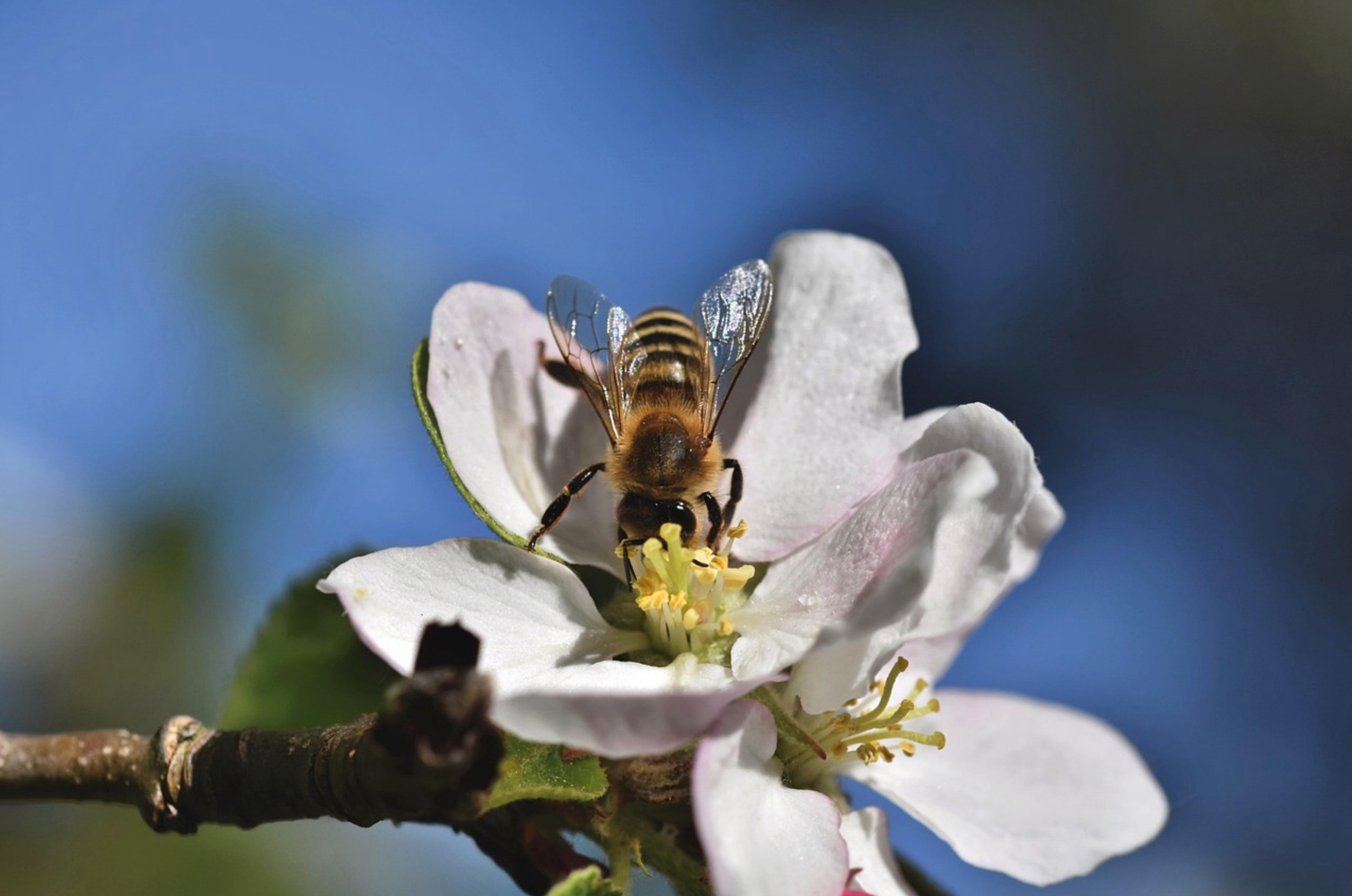
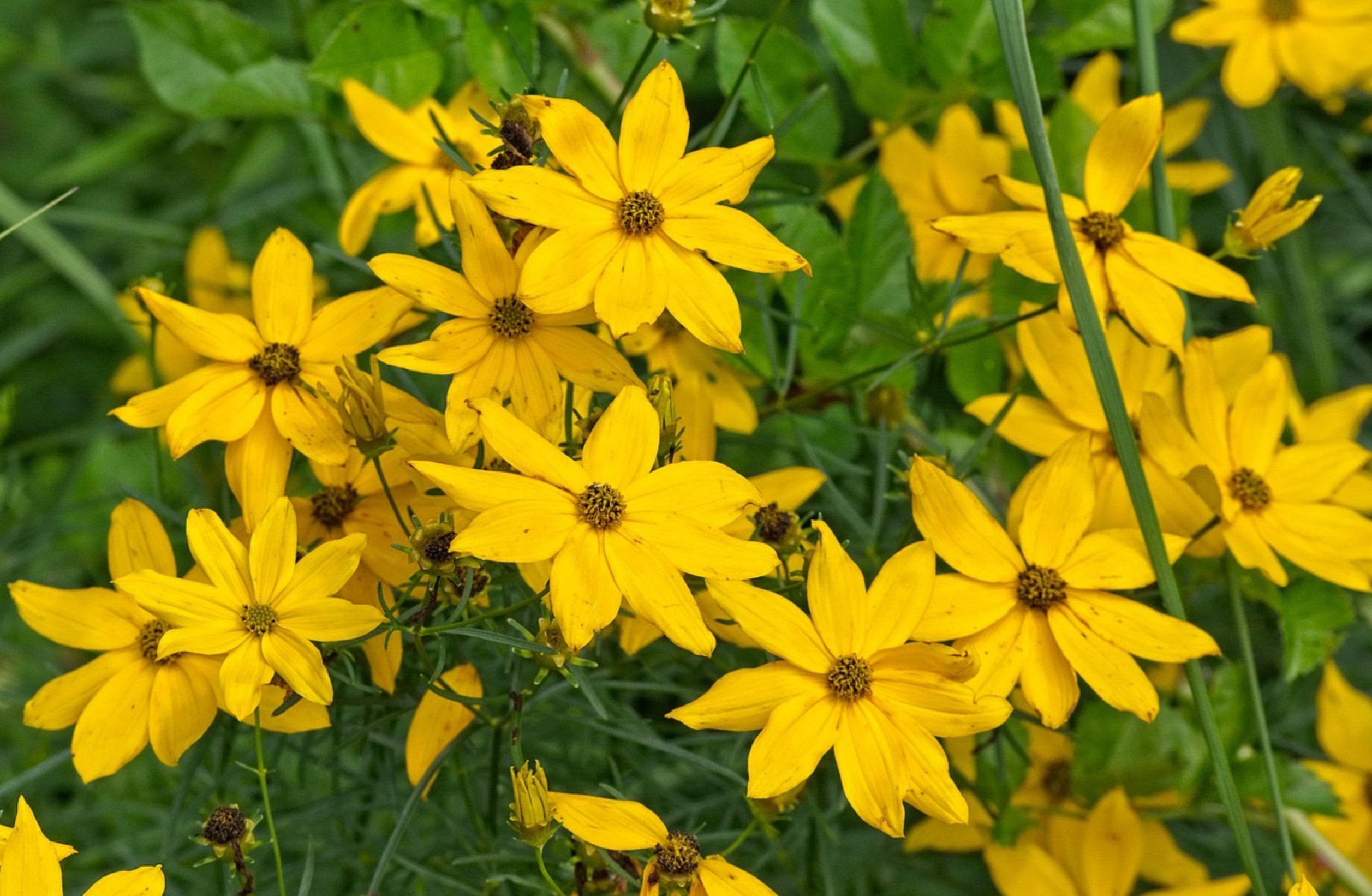
Maximillian Sunflower boasts tall and sturdy stems, reaching a height of up to 10 feet! To say it stands out is an understatement. They also make an impression under the soil as well, as the roots can go as deep as 15 feet. Each plant is adorned with large, radiant yellow flowers that bloom in the late summer and early fall. One plant can have up to 40 of these individual flowers on one stock, illuminating the whole plant with bright yellow pops. When watching them bloom, they remind me of fairies dancing about, hopping from stem to stem, and basking in the sunlight. These flowers are also crucial for wildlife, delivering a large bounty of nectar and pollen to pollinators such as bees, butterflies, and beetles.
It is incredibly hardy to a vast array of harsh conditions, including heat, cold, drought, and some flooding. It is also low maintenance, making it a great option for those who want to add beauty to their garden without the fuss of constant work. In the garden it can be used for borders, edges, as a single centerpiece, or as Hemenway mentioned, as a small hedge to keep creatures like deer out.
Propagation & Planting
Maximillian sunflower can be propagated in a variety of ways, including by seed, cuttings, or division. Each method has its own advantages, and the best method for you will depend on your specific needs and preferences.
Propagating Maximillian sunflower by seed is a straightforward process that can be done in the comfort of your own home or greenhouse. Simply sow the seeds in well-drained soil, about 1/4 inch deep, in a sunny spot. They require cold stratification, which means they need a brief period of cold in order to germinate. Plant in the fall to easily this work with this pattern, or if planting in the spring place it in the freezer overnight for one night. Keep the soil moist but not wet, and germination should occur within 10-20 days. If sowing directly outside, it’s important to note that seed germination can be affected by temperature, so it's best to wait until the soil has warmed up to at least 50°F (10°C) before planting.
Another method of propagating Maximillian sunflowers is through cuttings. This method is a bit more involved than seed propagation, but it can be a great way if you are taking a cutting from an existing plant that has not gone to seed. To propagate by cuttings, take a stem cutting from a healthy adult plant before the plant flowers and remove the lower leaves. Dip the cutting in natural rooting hormone (optional), and then place it in a rooting medium, such as sand or sterile soil. Keep the cutting in a warm, bright location and keep the medium moist. Rooting should occur in 2-3 weeks, after which the cutting can be potted and grown.
Finally, the Maximillian sunflower can also be propagated through division. This method is the easiest and best done in the spring when the plant is just starting to grow. Carefully dig up the plant and divide the root tuber into smaller clumps, making sure each clump has a good number of leaves or shoots. Plant in a well-drained area that’s in full sun. Water the newly planted divisions well and keep the soil moist until they are established.
With all that said, choose the method that works best for you, and with the right care and attention, your Maximillian sunflower will thrive and bloom for years to come.
Growth & Care
In truth, Maximillian sunflower requires very minimal care to thrive and can handle quite a bit of neglect. It is one of those plants that when you return from a long trip it looks better than it did before. However, to ensure that it reaches its full potential, it's important to provide it with the right amount of sunlight, water, and soil conditions.
When it comes to sunlight, the Maximillian sunflower requires at least 6 hours of direct sunlight per day to prosper. It's best to plant it in an area that receives full sun, so it can soak up as much sunlight as possible. If the plant is not getting enough sunlight, it may become leggy and produce fewer flowers. For watering, it does best with deep watering the first season after it has been planted, and then after that, it requires little additional watering. Note that overwatering can lead to root rot, which can be fatal. For fertilization, by ensuring that the soil is well-drained, fertilization is not necessary.
The growing season for the Maximillian sunflower is typically from late spring to fall. During this time, it will produce small, yellow flowers that bloom in the late summer and early fall. Pruning is not necessary for this plant, but if you want to keep it at a certain height, you can trim it back after it has finished blooming. You can also “chop and drop” it at any point to mulch the soil and feed other plants in the landscape. To promote continual growth over the years, divide the rhizomes in the fall and winter one per year. When it comes to pest management, the Maximillian sunflower is relatively resistant to pests and diseases.
When creating landscape designs for my clients, I regularly plant in guilds to ensure the ecosystem can become independent and that several ecological niches have been filled. With Maximillian Sunflower, I have planted them in tandem with other grasses such as Indian Grass, Big Bluestem, and Switchgrass to prevent erosion on cliff banks as well as provide a rich ecosystem of wildlife. It also works well near fruit trees or bushes, as mulch is an excellent form of fertilization.
Overall Maximillian sunflower is a beautiful and hardy plant that requires minimal care to thrive. It's important to provide it with the right amount of sunlight, water, and fertilization, ensure that the soil is well-drained, and that’s it!
Harvesting
Harvesting Maximillian Sunflower is rewarding because you do not need very much for a given project and several parts of the plant can be used for various purposes. To harvest, wait until the flowers have fully matured and the petals have started to dry out. The best time is in the late summer or early fall when the seeds are fully developed.
Harvest the tubers and rhizomes by pulling them directly from the soil, and harvest the petals by picking them directly from the flower. Once the flower heads have been harvested and are dry, the seeds can be removed by rubbing them between your hands, or by using a sieve to separate the seeds from the chaff. It's important to note that the seeds will be scattered all over the place, so it's best to do this process in an area where the seeds can be easily collected. When collecting the seeds, it's also important to keep an eye out for any signs of mold or damage. These seeds should be discarded as they are not edible and will not germinate.
Another unique tip to consider that I have used when harvesting flower seeds in my garden is to use a brown paper bag to cover the flower head a week before you plan to harvest. This will prevent birds and other animals from eating the seeds before you have a chance to harvest them. You can also use a stick or a small rake to gently shake the seed head, this will make the seeds fall off the head. The seeds that are collected should be placed in a warm, dry place to dry out completely before using and storing them. Once the seeds are removed, they can be dried and then stored in an airtight container.
A Plant of Many Uses
Maximillian sunflower is wonderfully versatile in its uses. The seeds, petals and even leaves of the plant can be processed, stored, preserved, and used in a variety of ways. As a whole plant it can be mulched for building soil, and the root structure is excellent for erosion control.
Tubers and rhizomes of Maximillian Sunflower are edible. They have a strong aroma of sunflower but still can be roasted and put into soups or shredded raw onto salads (yum!). One of the most common uses of the Maximillian sunflower is for its seeds. The seeds can be eaten as a snack, either raw or roasted, or used in cooking. They can be added to salads, bread, and granola for added texture and nutrition. The oil from the seeds can also be used for cooking and even as a skin moisturizer. See below a quick recipe for making Maximillian sunflower oil:
How to Make Maximillian Sunflower Seed Oil
Clean the seeds: The first step is to clean the sunflower seeds to remove any dirt, debris, or other impurities. This can be done by rinsing the seeds in a colander and then drying them with a clean cloth.
Grind the seeds: Next, the seeds need to be ground into a paste. This can be done using a meat grinder, a food processor, or a mortar and pestle.
Press the paste: Once the seeds have been ground, they need to be pressed to extract the oil. This can be done using a mechanical press, such as a screw press. The press should be adjusted to a temperature between 80 and 85 degrees F.
Filter the oil: After pressing, the oil needs to be filtered to remove any remaining solids. This can be done using a fine mesh strainer, thin towel, or cheesecloth.
Store the oil: Once the oil has been filtered, it can be stored in a clean, airtight container. Sunflower oil has a long shelf life and can be stored for up to a year.
Use it up! Incorporate it into cooking and beauty products. It has a high smoke point and can be used for frying.
The petals of the Maximillian sunflower can also be used for various purposes. They can be dried and used as a colorful addition to any dried flower arrangement or as a natural yellow dye for fabrics. The leaves of the plant can also be used in various ways; they can be brewed and added to soups and stews, or used as a natural remedy to treat skin conditions such as eczema and psoriasis.
When it comes to storing the Maximillian sunflower, it's important to ensure that the seeds, petals, and leaves are completely dry before storing them. They should be dehydrated when needed and stored in an airtight container in a cool, dry place to prevent mold or moisture from forming. When preserved correctly the seeds can be dried and stored for planting the following year. The petals and leaves can also be dried and stored for later use.
Final Thoughts
Perennial sunflowers are awesome! If you’re considering adding Maximillian Sunflower to your garden, don’t wait. It’s an awesome plant with loads of functions and it won’t disappoint. Each year it will grow taller and bush out, and you’ll not only have a delicious edible on your hands, but a medicinal, wildlife attractant, mulch generator, weed suppressant, and best of all a beautiful plant that adds joy to your garden.