The Rainshadow Permaculture Blog
My Favorite Medicinal Plants for Health & Wellness - Part 2
See Part 1 here!
Lavender
Sequim is known for its cultivation of lavender, as its analogous climate France, the lavender capital of the world. I used to STRONGLY DESPISE lavender, and thought it gave me headaches, as a kid. Boy was I wrong!
My favorite use for lavender is with aromatherapy lotion and balm. I have an amazing balm with tallow, vitamin E, rose hip oil, and lavender and vanilla essential oils. Using a calming scent multiple times throughout the day on my hands and wrists as a way to stay grounded and relaxed is one of the best things I’ve done to heal anxiety and my nervous system.
Small Batch Lavender Balm Recipe:
1/2 cup pure, tallow or shea butter
1 tbsp rosehip oil
1 tsp vitamin E
1 tbsp candelilla wax (optional)
10 drops lavender essential oil
5 drops vanilla essential oil
Melt, mix, and store in a small jar in a dark place. Using in 2 months.
Rosehip
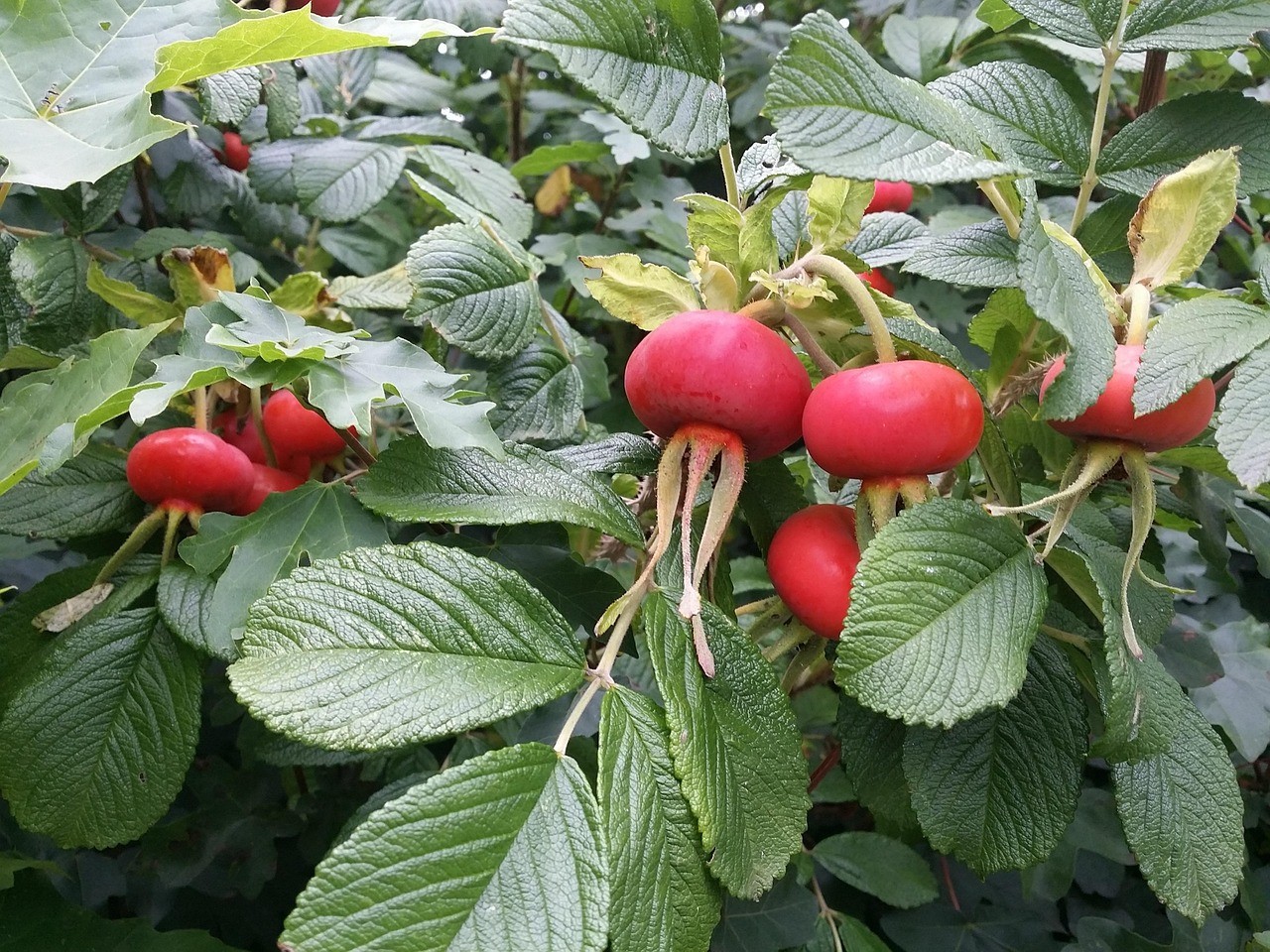
Rose and Rosehip grows prominently in Washington. Here, you’ll find it on roadsides and along fence lines with the well-known and sometimes despised Nootka rose. Nootka rose grows well in poor soil, I also suspect it fixes nitrogen but don’t know for sure. European varieties can also be easily cultivated, and no matter what variety you grow or forage you also get the wonderful benefit of a rose petal.
Rosehip is ultra high in antioxidants and vitamin C, and the oil is an excellent fat that can be used in lotions, medicines, etc. Rosehip oil is relatively easy to make, and is an actual solution for aging skin, inflammation, and even acne scars. It’s gentle and healing when used regularly.
For Rosehip tea, simply steep a tablespoon of dried, crushed hips in boiling water for 10 minutes. Strain and enjoy with a bit of honey.
To make rose hip oil: fill a clean jar with dried rose hips, cover with jojoba or olive oil, and let sit for 4–6 weeks in a warm, dark place. Strain and bottle.
Cayenne
We all need a little spice! Cayenne peppers grow annually, and they’re great for stimulating circulation, clearing sinuses, and making any bland meal sing.
We add it into fire cider and cook with it. We have also used powdered cayenne on cuts (yes, it stings) to stop bleeding, and taken it in capsule form for cold hands and feet in winter.
Honey
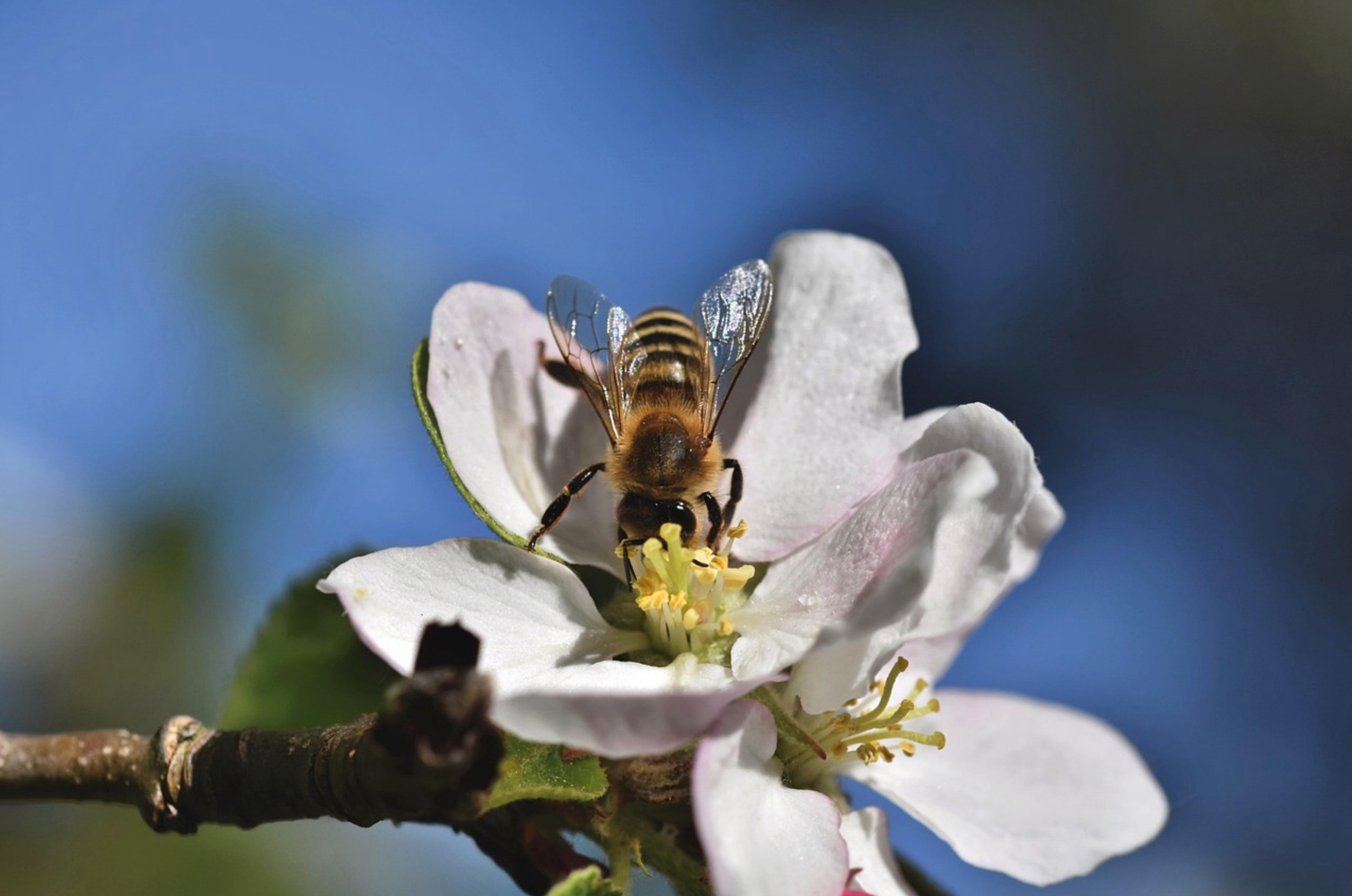
Most people don’t realize that honeybees aren’t actually native to North America - they were brought over from Europe in the 1600s. Before that, Indigenous communities relied on native bees and pollinators, many of which are still around (and often more efficient pollinators, by the way) and maple syrup, among other sweeteners. Honeybees have stuck around through cultivation, and also because they’re incredible little alchemists, turning nectar into one of the most versatile natural substances we have.
I use honey in all kinds of ways: in natural face masks (especially with rice or clay), as the sweetener in fire cider, and as go-to in the kitchen - whether I’m baking, making tea, or cooking up something savory that needs a touch of balance.
Medicinally, honey is a powerhouse. It’s naturally antimicrobial, antifungal, and can help with wound healing, sore throats, digestive health, and even seasonal allergies. Raw honey contains enzymes, antioxidants, trace minerals, and a bit of local pollen!
When you buy local, you're not just getting better honey. You're supporting small-scale beekeepers who usually treat their bees with way more care and attention than industrial operations. Commercial honey production can be pretty cruel: overworked hives, forced feeding, antibiotic use, and the harvesting of every last bit of honey - leaving bees with sugar syrup instead of their real food.
Learning how to have hives is a wonderful and challenging adventure with the potential to be powerful for your site. From a permaculture perspective, bees aren’t just honey producers—they’re pollinators, teachers, and vital members of a healthy ecosystem. A well-placed hive can support your food forest, increase yields, and deepen your relationship with the land.
Colony collapse is a serious issue. Pesticides, habitat loss, monocultures, and climate stress are all part of the problem. Paul Stamets, the mushroom guru himself, has claimed to have created a solution for colony collapse through the use of a special mycelium extract made from polypore mushrooms, like amadou and red reishi. While the solution isn’t mainstream yet, it’s a reminder that the answers to big problems might already be under our feet - with MUSHROOMS!
Horseradish
Horseradish roots can go as deep as 4 feet. Similarly to rosemary, they’re very easy to grow, and if you have healthy garden beds, you pretty much just need to plant it in full sun and leave it alone. Horseradish has a super strong flavor and is excellent for adding variety to seasoning.
To harvest horseradish,
dig deep around the root in fall or early spring, loosen with a spade, and pull carefully to avoid breaking it.
To make creamed horseradish, follow this recipe:
1 cup grated horseradish root
1/2 cup sour cream
1 tbsp apple cider vinegar
Pinch of salt
Mix and store in fridge. Great with roasted meats or veggies.
Aloe Vera
I have only been able to grow aloe vera inside, but it makes a wonderful house plant.
Aloe Vera is great for burns, and skin in general. In skin care, aloe Vera is used because of its
cooling, hydrating, and anti-inflammatory properties. Aloe Vera juice is really great for digestion, as it soothes the gut lining and helps reduce inflammation in the digestive tract.
Aloe Vera Juice Recipe:
Blend 2 tbsp fresh aloe gel with 1 cup of water or coconut water. Strain and drink right away.
Aloe Vera Homemade Rice Face Mask Recipe:
2 tbsp aloe vera gel
1 tbsp rice flour or cooled cooked rice
1 tsp honey (optional)
Mix into a paste and apply for 10–15 minutes for glowing skin.
Rose
Rose is an aphrodisiac. There might be more potent medicinals, but I think it’s important to include because fun and relaxation is sometimes just what the doctor ordered! I love to use rose petals to make face toner, see the recipe here:
Rose Water:
1 cup fresh rose petals
1.5 cups distilled water
Simmer petals in water for 10 minutes. Let cool, strain, and bottle. Use as a face mist or linen spray.
Thanks for reading!