
The Rainshadow Permaculture Blog

My Favorite Medicinal Plants for Health & Wellness - Part 1
One of the best ways I leveled up my gardening skills was to prioritize growing what I actually ate and used in my every day life. I remember in the early days when I read Rosemary Gladstar’s Herbal Recipes for Vibrant Health, I was SO excited that I rushed to make every recipe in the book, only to waste a bunch of things I didn’t use and also make myself break out from a clay mask that dried out my skin! Many recipes in that book are amazing, yet looking back I didn’t really know the properties of specific plants and how they can be used in powerful ways for very specific things.
Now, I have a quintessential tool-kit of plants that I rely on almost every day, whether it be in cooking, cleaning, medicine, or stress-relief. Most of these plants can be grown outside in a Mediterranean climate, and often times can also be grown indoors. I would love to share these with you, each with some growing tips and a few of my favorite uses. You will find these plants in every garden I have from here on out.
Rosemary
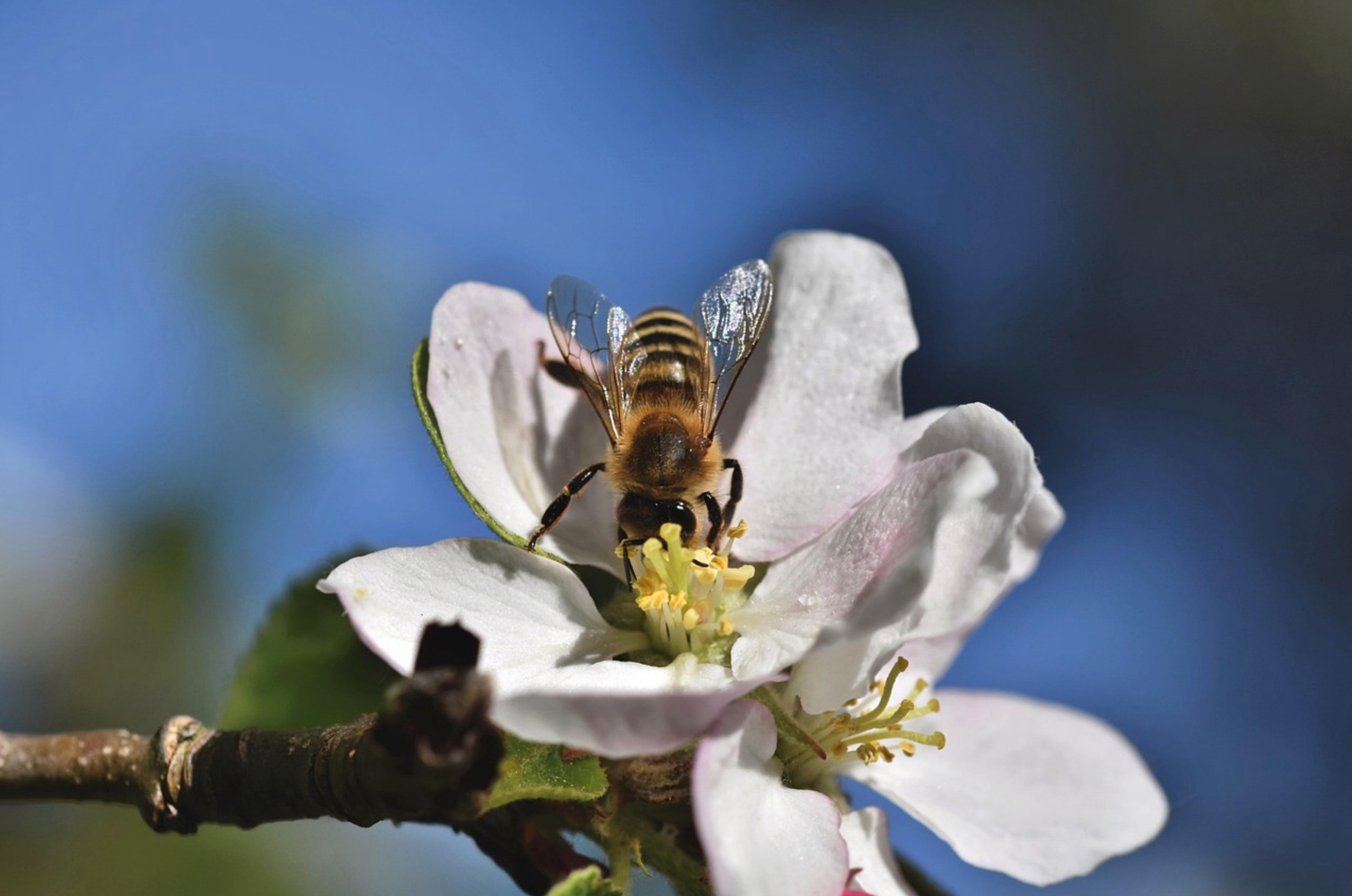
Rosemary is quite possibly one of the easiest plants to grow. You can find it growing wild all over the Mediterranean, from Spain, to France, to Portugal, Italy, Greece, and Morocco. On the west coast of the US, it’s not rare to see an absolutely massive rosemary in someone’s yard that has been totally neglected, yet thriving. They are incredibly drought tolerant, and can do well in rocky, sandy, and loamy soils. Many have gorgeous blue blooms that are excellent for early season pollinators, like the honey bee, bumble, mason bee, hoverfly and even butterfly.
Medicinally speaking, rosemary is sooo good for the body in so many ways, as it is antimicrobial, anti-inflammatory, high in antioxidants, aids digestion, and provides circulatory support. Rosemary is also excellent for the scalp and hair growth, and can be applied topically in hair rinses or scrubs.
I’ve used rosemary 100 ways, and my favorites include in the kitchen (of course), using rosemary in tea and fire cider, in extracts, and to promote hair growth. Even though it’s lovely to pop out into the garden and grab rosemary fresh, one of my favorite things to do is to dry rosemary in bulk, then put it in a large spice jar. It makes cooking SO easy, and it stays fresh for months (maybe even years if well contained). Throughout my skin healing journey, I discovered that rosemary stimulates bile which can help significantly with digestion. It is often found in digestive bitter supplements. All you need is a cup of steeped rosemary 10-15 minutes prior to eating, ideally twice a day. I also use rosemary essential oil when I wash my hair and in a home made hair spray, to promote hair growth and stimulate my scalp.
If you’re just starting out with growing rosemary, the key is to ensure that you have well established garden beds or pots with ideally a loamy soil. You can build soil quality over time by adding organic matter such as compost, dry leaves, etc. Ensure your rosemary gets at least 6 hours of direct sun, and keep it watered only while getting established.
Sage
Mmmmhmmmmm sage gravy, dang does that sound good right now in the middle of summer! My sage plant has grown to be almost 6 feet wide, unbelievable. Just like most Mediterranean herbs, sage is anti-microbial and anti-inflammatory. Different varieties of sage have many traditional uses, such as smudging and incense; it has historically and almost universally been used as a protective and cleansing herb.
Medicinally, you can use sage for digestive support, hormone balance, menstrual support, and topically for wounds. It contains special compounds that help combat fungus and bacteria - so it is often added to salves and wound compresses.
I love making sage tea with a little bit of honey, on an empty stomach. It has a really strong flavor, so it’s best paired with fatty meals and sides (hence why I’m craving gravy).
Apples
Why do we spend so much money on cleaning supplies at the store? All we really need most of the time is a strong vinegar, as vinegar is acidic, antimicrobial, and breaks down grease better than most store-bought cleaners. You can use it to wipe counters, wash produce, or clean glass. Infused with herbs like rosemary or citrus peel, it smells good too.
From a resiliency perspective, knowing how to use plants for everyday uses can and will come in handy for times when the store is not accessible. It also can alleviate cleaning costs, and allow your funds to go towards the things that are more important in your life.
Apple cider vinegar has many uses such as digestion support, skin care, hair rinses, and household cleaning. Most people with vagina’s have known the unfortunate reality of having a yeast infection at least once in their life - apple cider vinegar can be added to a sitz bath daily as it is known to kill fungus (candida). It can also be diluted and used as a gentle skin toner, or taken in small amounts before meals to help stimulate stomach acid and support digestion.
We love to make apple cider vinegar from scratch, and hope to never buy cleaning liquid ever again. To make apple cider vinegar all you need is:
Apples, skins, cores and seeds included
Sugar or honey
Filtered water
A clean jar with a breathable cloth lid
Let it ferment for a few weeks in the dark, strain it, and voilà - vinegar for cleaning, pickling, or medicine.
Garlic
I think we can all agree that garlic is a staple food, and for good reason. Garlic is antimicrobial and one of the easiest annual plants to grow. When I wasn’t eating garlic for health reasons, it was almost devastating. We all know what it’s like to eat a little too much garlic, and probably could all recognize the smell of someone who eats it every day! My Gramma loved to tell the story of how the only time my Papa wasn’t allowed in bed was when he picked fresh garlic and made a bunch of garlic-inspired meals with his friends.
Garlic has tons and tons of uses, mostly we like to cook with it and put it in with a batch of fire cider. There are some really interesting uses for garlic out there, like making garlic honey for sore throats, or garlic oil for earaches. You can also roast a whole head and spread it on sourdough - medicine meets comfort food.
Thyme & Oregano
Growing up, my favorite meal my mom made was an amazing lasagne that prioritized the use of thyme and oregano. Now I use thyme in almost all of my cooking, for its anti-microbial and anti-inflammatory properties.
I haven’t used thyme or oregano in medicines other than fire cider, and mostly use it in the kitchen. Both herbs dry well and can be added to soups, sauces, and broths for immune support in winter. I often keep a jar of dried thyme in my spice drawer, and if I feel a sore throat coming on, I steep it in hot water with lemon and honey. It’s simple, comforting, and always seems to help.
Lemon
In the PNW, you can pretty much only grow a lemon tree if it’s in a greenhouse. Lemon is wonderful, and can also be used for cleaning and to freshen up scent. As a well-known acid, it is commonly used in a variety of cooking dishes. A squeeze of lemon can go a long way.
Medicinally, lemon is alkalizing in the body, supports liver function, and is packed with vitamin C. I love adding it to warm water in the morning to help kick-start digestion and hydrate gently. A little zest in tea or baked goods also brings a brightness that feels healing.