
The Rainshadow Permaculture Blog
How and Why to Make Foliar Sprays
If you have fruit trees and have not read The Holistic Orchard by Michael Phillips, now is the time. I absolutely LOVE this book because it's meant for the true beginner - with pruning methods, tons of recommendations for fruit varieties, holistic fruit tree care, and health and disease identification.
What Are Foliar Sprays?
Foliar sprays are simple liquid applications made from plants or minerals that are sprayed directly onto the leaves of trees and crops. The idea is that the plant can take in nutrients through its leaves, via stomata, in addition to its roots - just like humans can absorb medicine through their skin.
For fruit trees, foliar sprays are one of the best tools we have for building health from the top down. They support the tree’s immune system, deter pests and pathogens, and feed the soil life by dripping down into the rhizosphere. The goal here isn’t to attack pests directly; it’s to build strong, resilient trees and diverse ecosystems, so the pests either don’t show up or are eaten by something else. Over time, this means no need for chemical sprays like copper or sulfur, which can damage soil life and pollinators.
How to make foliar sprays
The basic process is simple and doesn’t require much more than a bucket, some water, and plants that are abundant in your garden or landscape. You can use fresh cuttings of comfrey, nettle, horsetail, or other nutrient-dense herbs that grow like weeds in most temperate climates.
Here’s how we do it:
Harvest or forage a big handful (or more) of your chosen plant - stalks, stems, leaves, and all. Try to do this on a dry day if possible.
Chop roughly and stuff into a clean 5-gallon bucket until it’s about halfway full.
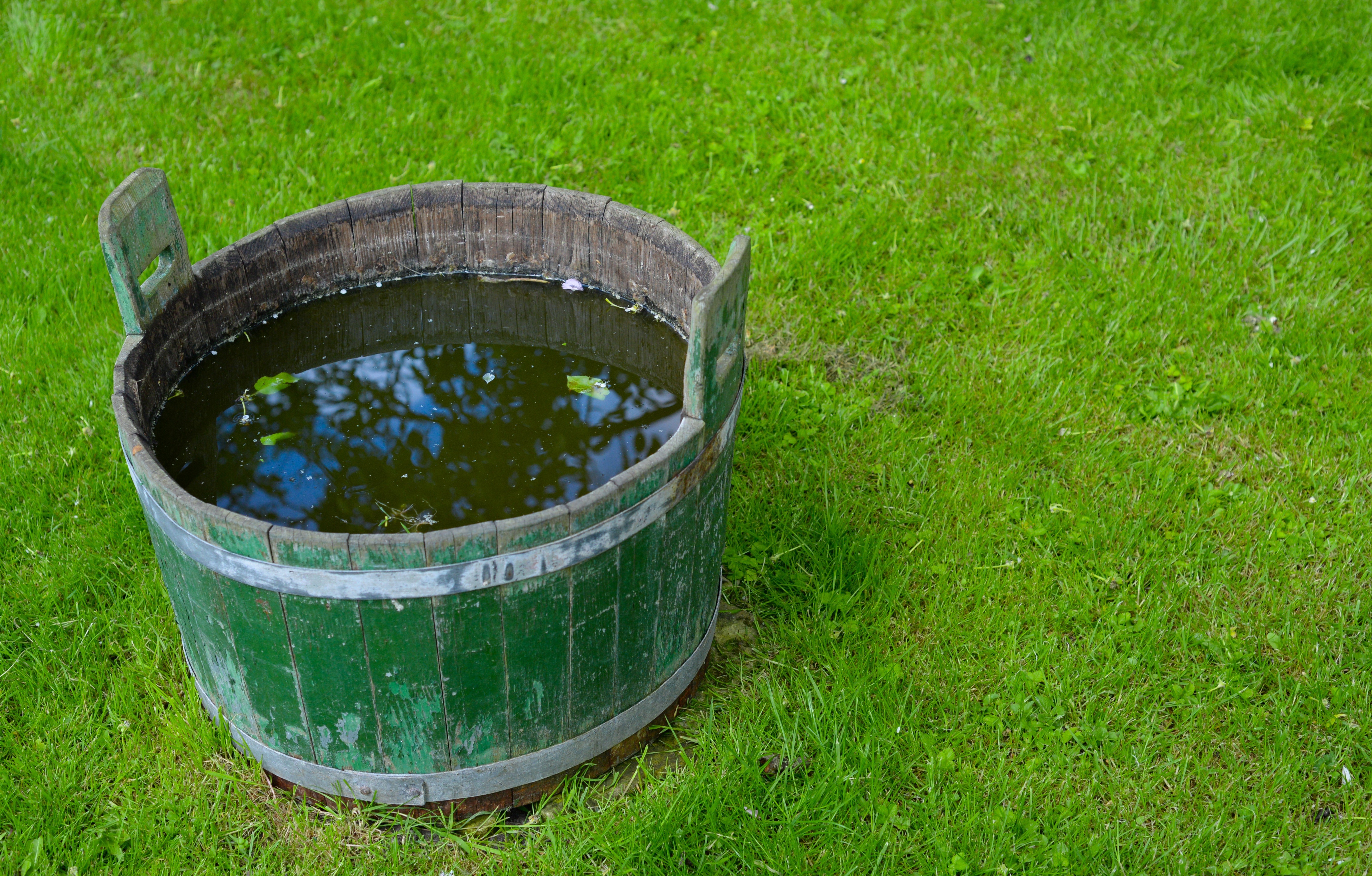
Cover with water - rainwater is best, but hose water is fine too. Weigh it down with a rock or board to keep the plant matter submerged.
Let it sit for 1–3 weeks, depending on the temperature. In warm weather, fermentation will happen faster. Stir it every few days to keep things active. It will smell earthy (or intense), but that’s normal.
Strain it well using cheesecloth, mesh, or an old pillowcase. Toss the leftover plant material into your compost pile—it’s still valuable.
Dilute before spraying. A good rule of thumb is 1 part foliar brew to 10 parts water. Too concentrated, and you risk leaf burn.
To apply, use a backpack sprayer or a handheld pump sprayer. Spray in the early morning or late evening - never midday when the sun is hot. Aim for the center of the tree canopy and work your way outward and downward, getting good leaf coverage on both the tops and undersides of the leaves. This helps the tree absorb nutrients through the stomata and deters pests and fungal spores from taking hold.
Repeat every 10–14 days during the growing season or after heavy rains to replenish.
Foliar sprays aren’t meant to replace soil care, but they’re an excellent support system; they are basically a weekly herbal tonic for your trees that increases their ability to photosynthesize. Over time, they help build resilience, strengthen plant defenses, and deepen your relationship with the plants you’re caring for.
When to Spray Fruit Trees
Timing matters. For most foliar sprays, the best time to apply is during bloom and early leaf-out, when the tree is just starting to wake up and push growth. This is when they’re most responsive to nutrient absorption, and it’s also when diseases like fire blight and scab try to take hold.
I like to spray every 10–14 days during the active growing season, especially in spring. Morning or evening is best, never in the heat of the day. Try to spray when you’re expecting 12–24 hours of dry weather afterward so it can soak in.
My Favorite Foliar Sprays
These are the ones I’ve used most often - easy to make, full of nutrients and minerals, and all from plants we either grow or forage nearby. But these are not the only plants that can be used - having an understanding of their core function can allow you to substitute based on what's locally available.
Horsetail (Equisetum arvense): Horsetail is high in nitrogen and silica, which strengthens plant cell walls and makes leaves more resistant to fungal pathogens like powdery mildew. Horsetail is especially helpful during wet springs. Most plants high in nitrogen can make a good substitute.
Comfrey (Symphytum officinale): Comfrey leaves are packed with nutrients - especially potassium, calcium, and trace minerals. It’s one of the best tonics for fruiting and flowering plants. Any plant known for dynamic accumulation can work as a substitute (nettles included)
Nettles (Urtica dioica): Like comfrey, nettles are also a dynamic accumulator. Rich in nitrogen, iron, and magnesium, nettles are a great overall plant health booster. I have harvested young nettles, steeped them in water for several days, diluted then sprayed.