
The Rainshadow Permaculture Blog
5 Essential Perennial Plants for a Sustainable Garden
A sustainable garden is more than just a place of beauty and productivity – it's a garden that is designed and managed to minimize its environmental impact while giving back to its ecosystem many times over. By choosing the right plants and practices, we can create gardens that benefit the local ecosystem while also supporting our own well-being. Perennial plants are an especially great choice for gardeners looking to create a sustainable landscape, as they require less maintenance, conserve water, and provide a host of ecological benefits. This article will explore five essential perennial plants that are easy to grow, resilient, and highly beneficial to the environment.
Asparagus
USDA Hardiness Zones 3-8
Pictured above: An image of asparagus shoots emerging from the soil, with young green shoots growing alongside mature shoots. The young shoots are tender and bright green, while the mature shoots have branched out into delicate, fern-like leaves. The soil around the shoots is dark and rich, with scattered bits of dry foliage. Image credit: T_Kohei
Asparagus has a long history of cultivation, dating back to ancient civilizations such as the Egyptians and the Greeks. Today, asparagus is still prized for its unique flavor, nutrition benefits, and versatility in the kitchen. But what makes it such a great choice for a sustainable garden? Not only can it handle periods of drought and heat like a champ, but its roots can grow up to 15’ deep, maintaining healthy soils and preventing erosion. It can also live to be up to 15 years (or longer), coming back year after year without needing to be replanted. This will save time, money, and resources in the long run.
Sage
USDA Hardiness Zones 5-8
Pictured above: An image of a sage plant growing alongside two other plants. The sage plant is in the center of the image and has silvery-green leaves that are slightly fuzzy. The leaves are elongated and have a slightly wrinkled texture. Image credit: nanseaj
Originating somewhere in the Mediterranean, sage is an all-around amazing and useful plant. In the garden, it works as a pest repellent, repelling insects such as cabbage moths, snails, beetles, and carrot flies. It is also incredibly drought tolerant and overall tough to climatic conditions. It grows best in a sunny location and can thrive directly in the ground or in a container.
One of the most well-known uses for sage is as a culinary herb. It adds a warm, earthy flavor to many dishes, including soups, stir-fries, and stews. It’s also a great choice for tea lovers, simply steep a few leaves in hot water for a soothing and refreshing treat.
Sage has many medicinal uses, as it has been traditionally used to help ease digestive issues, reduce inflammation, and even improve memory. Within it are natural compounds including camphor and carnosol, which have been linked to helping prevent skin damage, promoting wound healing, and fighting harmful bacteria and fungi. It's also a natural remedy for dental care and is often used in mouthwashes and toothpaste. In an emergency situation, an antiviral or anti-fungal plant such as this one would be crucial to have on hand.
Jerusalem Artichoke
USDA Hardiness Zones 3-8
Pictured above: An image of several Jerusalem artichoke tubers lying on a bed of green grass. The tubers are knobby and irregular in shape, with a rough, tan exterior. Some of them have small knobs or bumps protruding from their surface. Image credit: Buntysmum
Jerusalem artichokes, also known as sunchokes, are a hearty vegetable with numerous health benefits. They are high in fiber, which can aid in digestion and help regulate blood sugar levels. They also contain inulin, a prebiotic that can promote the growth of beneficial gut bacteria (also why they are nicknamed fartichokes). Their nutty, slightly sweet flavor makes them a delicious and nutritious addition to any meal, especially when roasted.
Drought-tolerant and highly productive, they’re low maintenance and you are almost 100% ensured to get a significant crop along with a beautiful show of yellow flowers. However, there are a few important things to know when growing sunchokes. The plant can be incredibly aggressive and will take over parts of the garden. It is allelopathic, meaning it secretes biochemicals that negatively affect its neighboring plants. If growing sunchokes, grow them in a contained area such as a raised bed or space that is closed off from the rest of the garden.
Comfrey
USDA Hardiness Zones 4-9
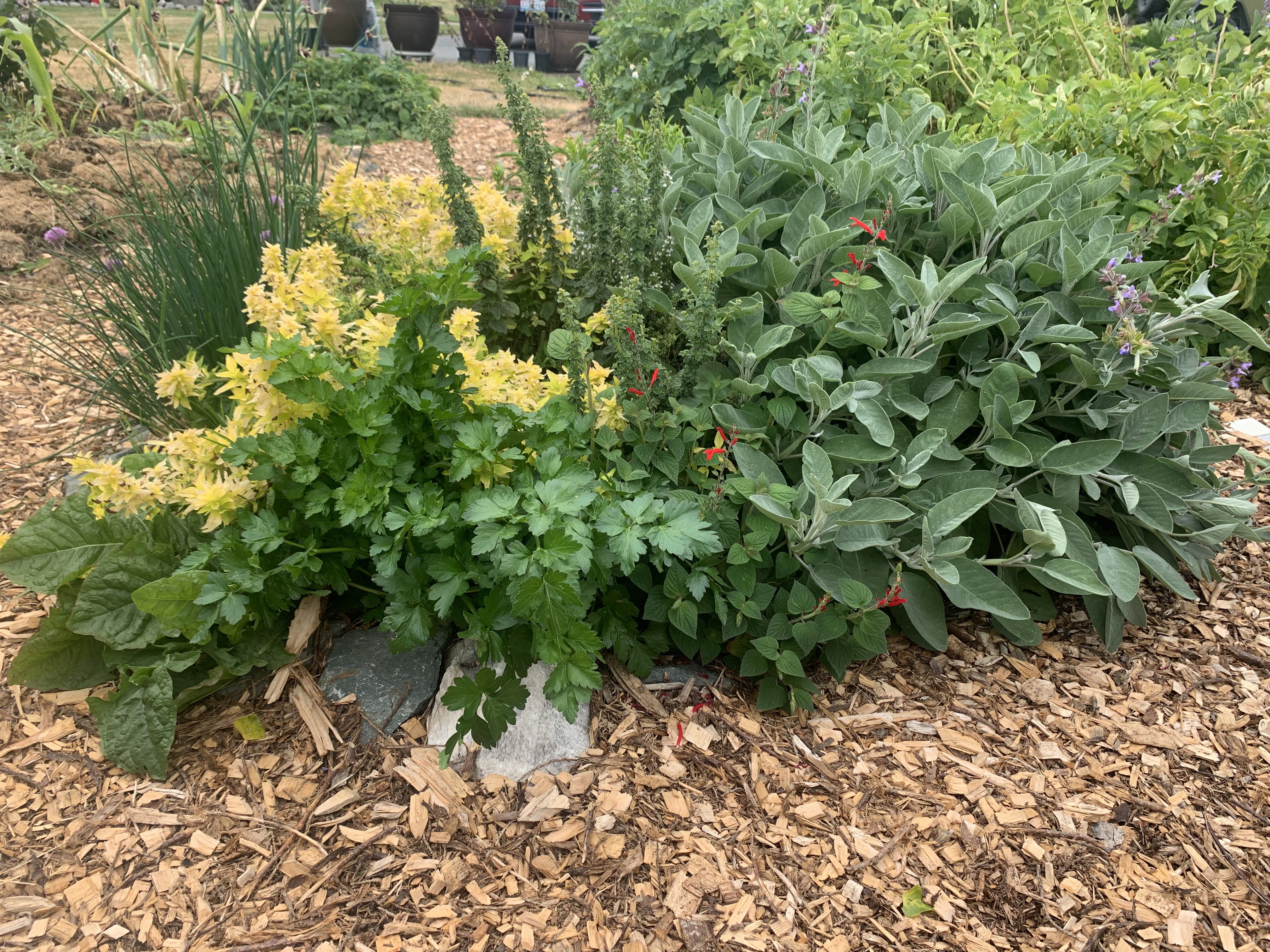
Pictured above: An image of a comfrey plant growing in a medicinal garden next to oregano and parsley. The comfrey plant is medium-sized and has large, hairy leaves that are dark green in color.
As we look to the future, more natural and local alternatives for fertilizer can be as simple as growing the right plant in our garden. Comfrey, a hardy perennial herb, is a dynamic accumulator, meaning its roots can draw nutrients from deep in the soil and transfer them to the surface. Comfrey leaves can be used as a mulch or to make a nutrient-rich compost tea, which can be used to fertilize plants and improve soil quality. The plant’s lush foliage additionally acts as a habitat and food for beneficial insects like bees and butterflies. It is important to note that similar to Jerusalem artichokes, comfrey’s root system allows it to be incredibly pervasive when grown in the garden. Beware that once it is in, it is hard to take it out!
Outside of its garden benefits, comfrey has been used for centuries as a medicine for various ailments. The plant contains allantoin, a compound that helps stimulate cell proliferation and tissue regeneration, making it effective for wound healing and skin health. Comfrey's anti-inflammatory and analgesic properties can also help reduce pain, swelling, and inflammation associated with bruises, sprains, and other injuries when used externally.
Egyptian Onion
USDA Hardiness Zones 3-10
Pictured above: Close-up view of an Egyptian onion bulb in bloom, showing multiple small purple flowers clustered atop a long, thin stalk emerging from the top of the bulb. Image credit: Camera-man
Egyptian onions, also known as tree onions or walking onions, are among some of the hardiest-of-hardy plants and are particularly well-suited to sustainable gardening, as they require little water and can tolerate temperatures well below freezing. They are able to reproduce easily with multiple small bulbs at the top of their long stalks, which can be harvested and replanted to produce new plants. In the garden, they make excellent companions to other plants, as their strong scent can help repel pests. They also serve as excellent ground cover and can help prevent soil erosion.
In the kitchen, Egyptian onions are surprisingly tasty and can be used as a substitute for any annual onion. Both the bulbs and the greens can be used in cooking, with a flavor that is a bit milder than a traditional onion. The small bulbs can also be pickled and used in a variety of dishes.
Final Thoughts
In creating a sustainable garden, we are not only contributing to the well-being of our own surroundings, but also to the health of the planet. By choosing perennial plants that are easy to grow, resilient, and highly beneficial to the environment, we can create outdoor spaces that are not only beautiful but also productive and sustainable. The plants we've discussed here are just a starting point – there are many more options out there for those looking to create a sustainable garden that supports biodiversity, conserves resources, and promotes a healthier ecosystem.